
Lift Engineers Serving Blackburn
Blackburn is next door to our base in Darwen, and a big part of our work. We maintain and repair lifts in healthcare buildings, colleges, offices, mill conversions, shops and apartment blocks right across the town.
We’re independent, so we can take on lifts of any make, and you won’t be pushed towards one manufacturer’s parts or replacement equipment.
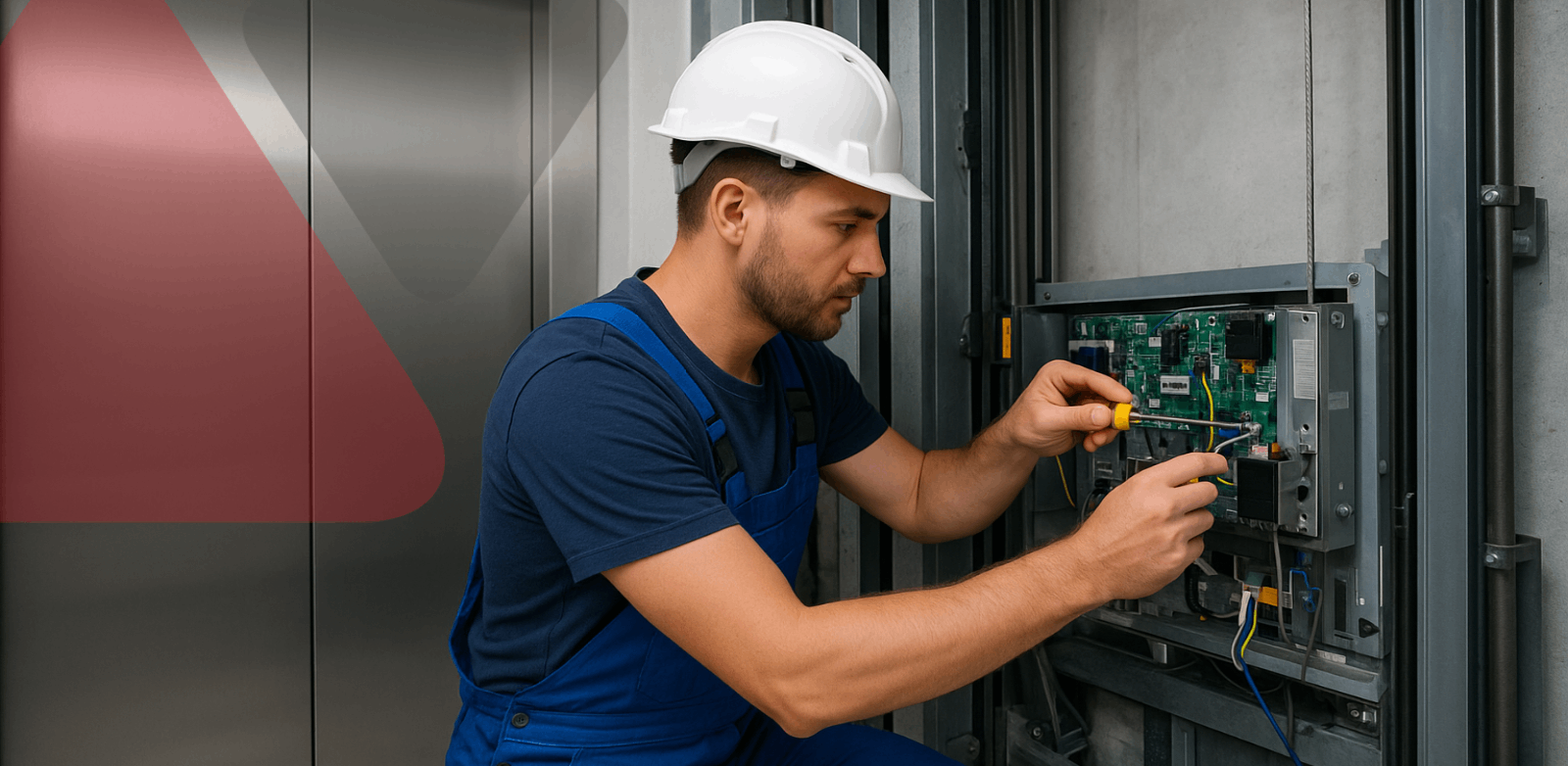
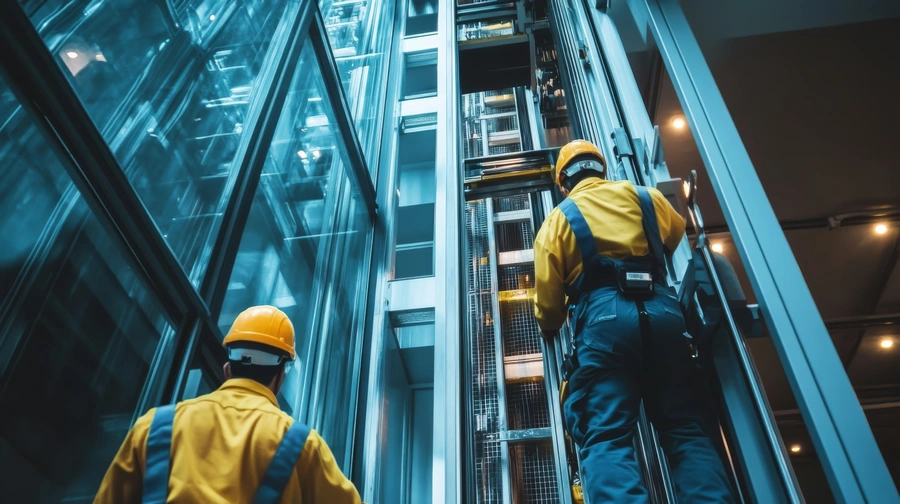
Healthcare Buildings
Lifts in hospitals and clinics carry patients, beds and equipment, often around the clock. Health Technical Memorandum 08-02 sets out the guidance for lifts in healthcare buildings, and NHS estates teams expect contractors to work to it. We plan work with your estates team, keep downtime to a minimum and give you full records for your compliance files.
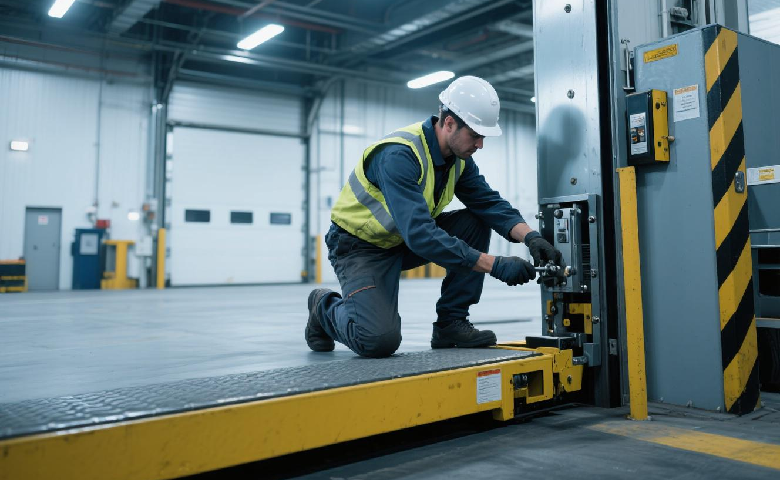
Colleges and Education
College and school lifts get heavy use during term time and very little in the holidays. That makes the holidays the right time for larger repairs and upgrades. We’ll plan bigger jobs for the breaks and keep routine servicing out of the way of timetables.
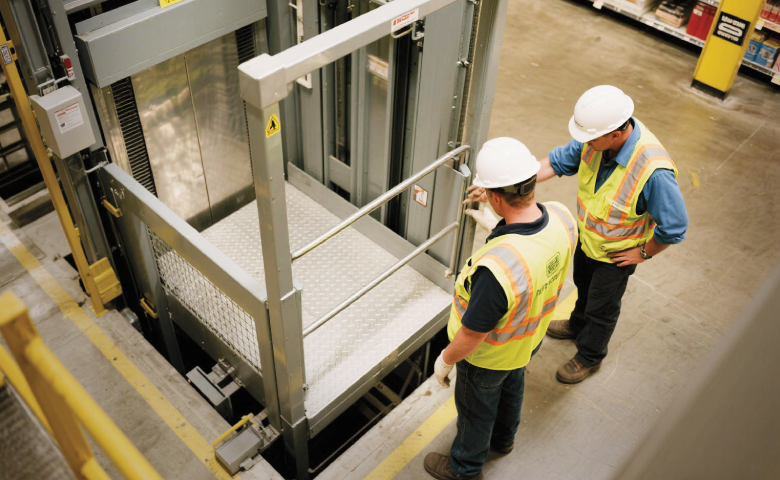
Mills and Older Commercial Buildings
Blackburn’s mill buildings have been turned into offices, flats and business units, and many have lifts that are 30 years old or more. These lifts can keep going for a long time with the right care, but parts for old controllers can be hard to find. We’ll tell you which parts are becoming obsolete so you can plan for them, rather than finding out when the lift breaks.
Servicing, LOLER and Records
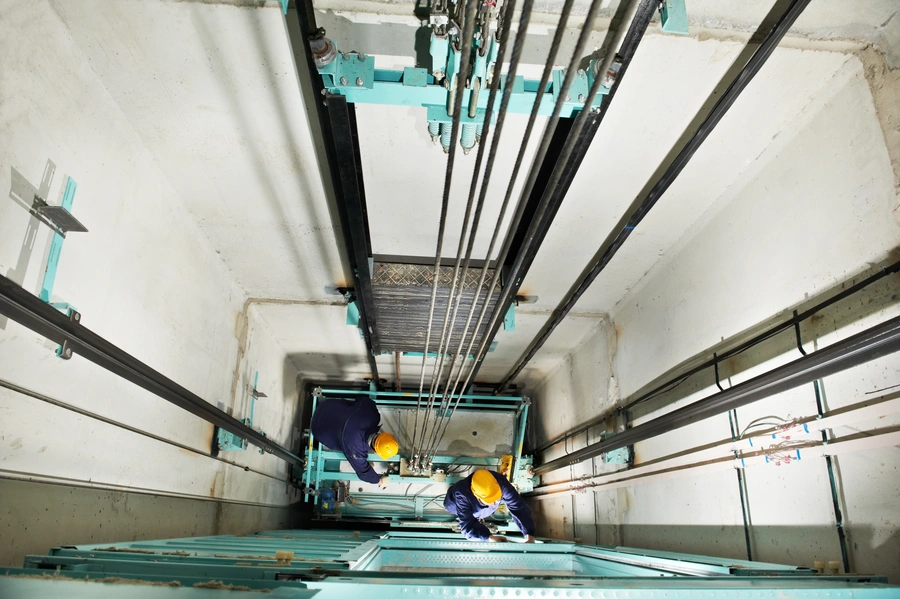
Every lift has its own service frequency, based on the manufacturer’s instructions and how hard it works. On top of servicing, lifts carrying people need a LOLER thorough examination at least every six months, usually by your insurer. We’ll keep your service records up to date and carry out any work the examiner’s report asks for.
Breakdowns
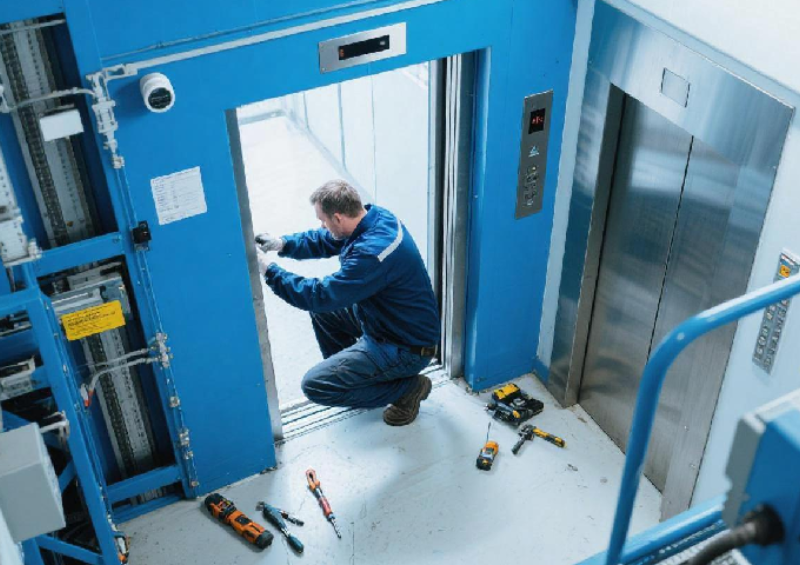
Door faults are the most common cause of a breakdown, followed by levelling and controller problems. Being based in Darwen means Blackburn is a short drive for our engineers. We’ll tell you honestly when we’ll get there and what we’ll need to fix it.
Remote Monitoring
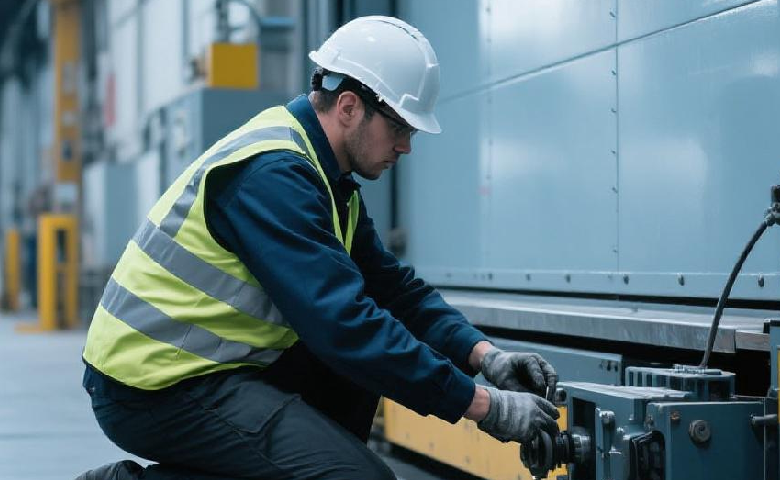
For lifts where downtime really matters, remote monitoring lets us see faults building up before they stop the lift. It’s especially useful in healthcare and multi-occupancy buildings. Read more about how we spot problems before they happen.
Lift Services Across Blackburn
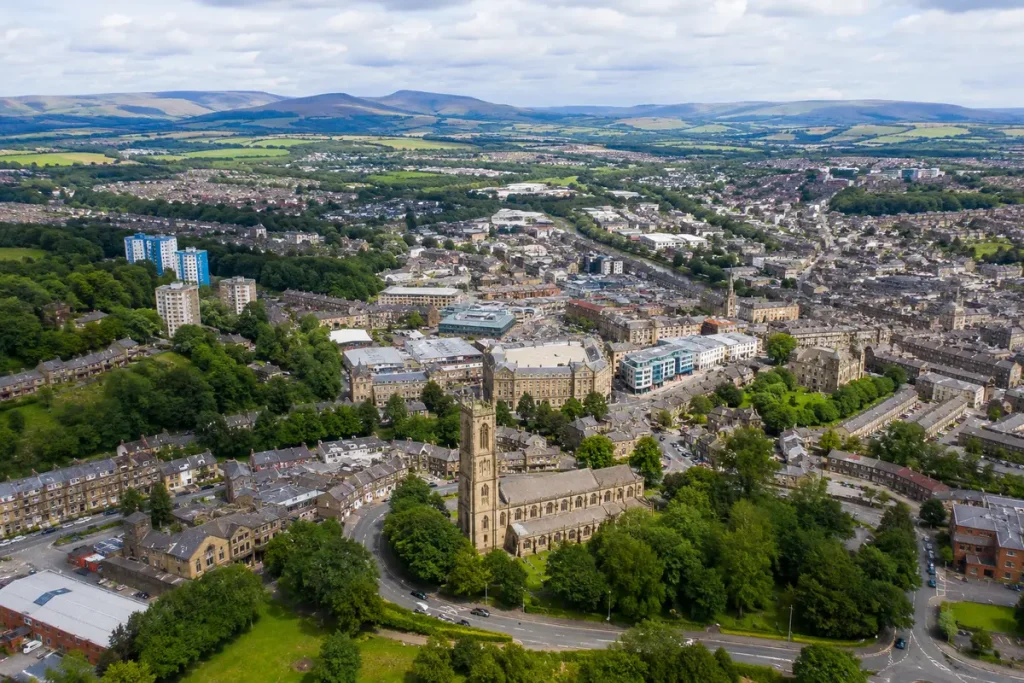
We cover Blackburn along with Darwen, Great Harwood, Rishton, Oswaldtwistle, Accrington, Mellor and Pleasington. See all the areas we cover.
Looking for a lift for your home? See our home lift installation in Blackburn and Darwen.
Need a lift engineer in Blackburn? Call 01254 775187 or send us a message.
Frequently Asked questions
What is a bed lift?
A bed lift has a deep car big enough to take a hospital bed or stretcher along with staff. They’re common in hospitals and care settings, and are often built to HTM 08-02 guidance.
Can lifts be used to evacuate people in a fire?
Normal lifts shouldn’t be used in a fire. Evacuation lifts built to BS EN 81-76 are designed for it, under a managed evacuation plan. Read our guide to BS EN 81-76.
What is a BS EN 81-80 survey?
It’s a risk assessment of an existing lift against current safety hazards, such as gaps, door safety and pit access. It helps you decide which improvements matter most and plan for them.
What happens if a lift isn't examined under LOLER?
Using a lift at work without a valid thorough examination breaks the law. It can lead to enforcement action from the HSE and may affect your insurance.
Do I need a lift log book?
It’s good practice to keep a log of every service visit, repair, breakdown and examination. It helps engineers find faults faster and shows examiners and insurers the lift is properly managed.
How often do lift ropes need replacing?
Ropes are replaced on condition, not on a fixed date. They’re checked during servicing and examinations, and replaced when wear or broken wires reach the limits set by the standards.
What does the rated load on the lift plate mean?
It’s the maximum weight the lift is designed to carry, shown in kilograms and usually as a number of people. Going over it triggers the overload device and stops the lift moving.