
Maintaining Lifts Across Wigan
Across Wigan, lifts are used every day in office buildings, business parks, shopping centres, healthcare facilities, apartment developments and industrial premises. Regular maintenance helps reduce unexpected breakdowns, identify developing faults early and keep lifts operating safely and reliably.
We maintain passenger lifts, goods lifts and platform lifts throughout Wigan, carrying out routine servicing, repairs, LOLER inspections and modernisation work based on how each lift is used.
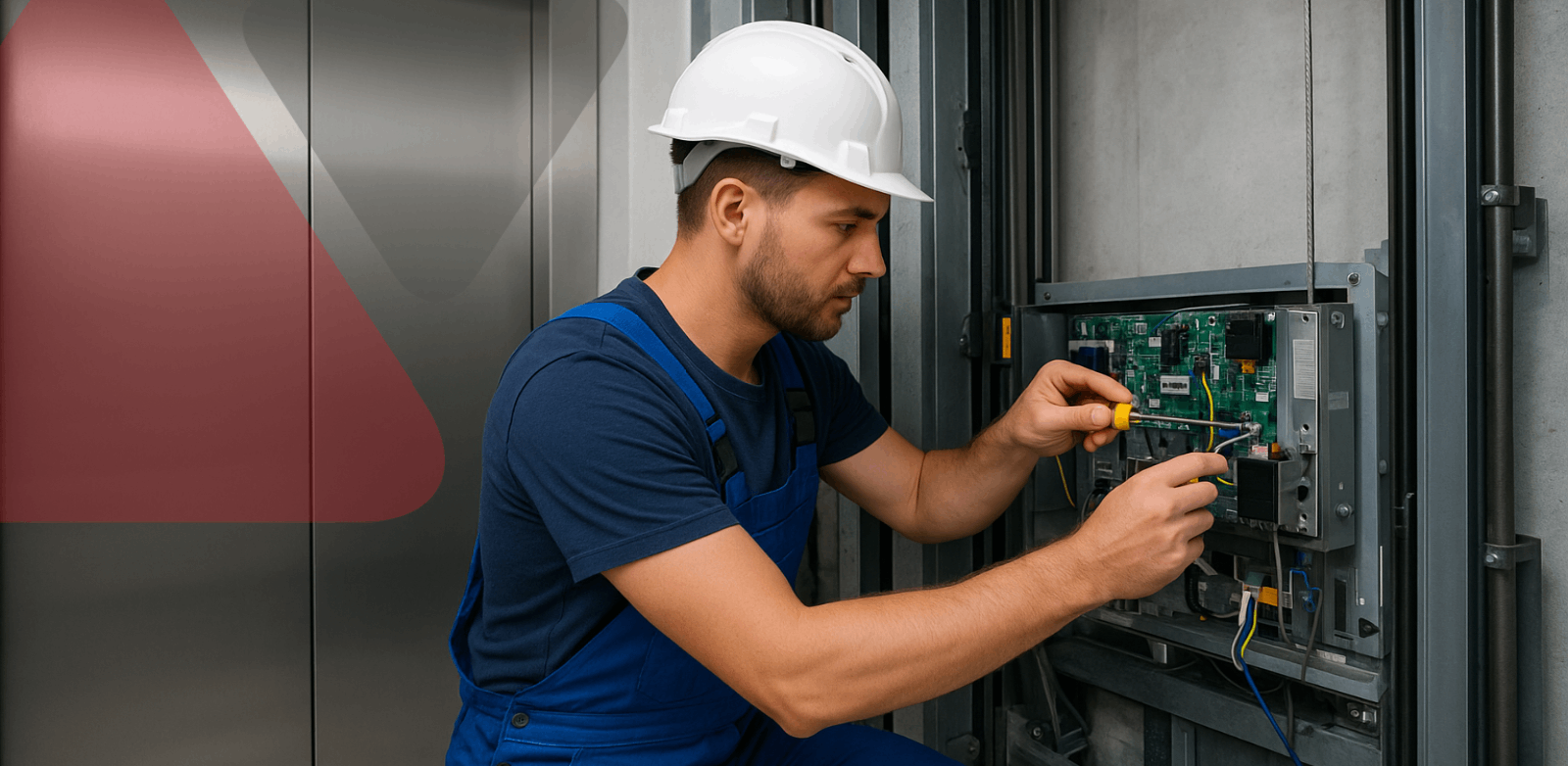
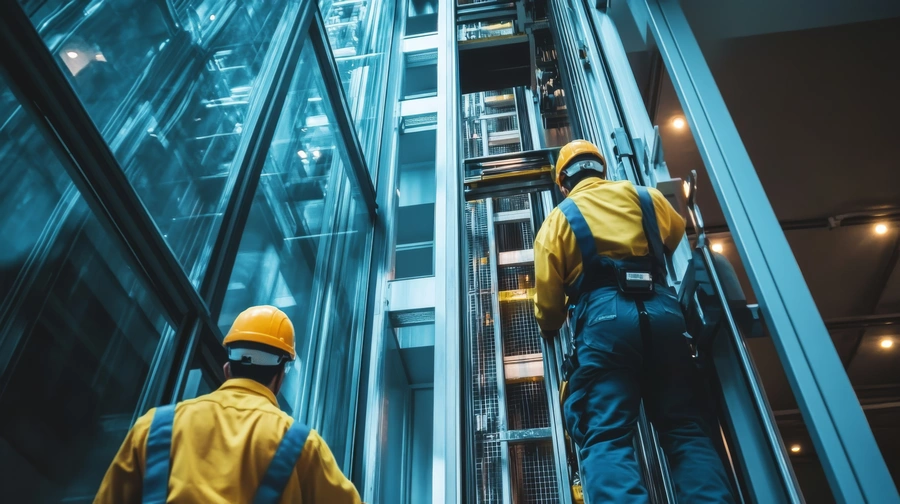
Lift Maintenance & Compliance Requirements
The ongoing management of lift equipment extends beyond routine servicing alone. Lift owners and duty holders are responsible for ensuring equipment is maintained in a safe condition, inspected at the required intervals and repaired when defects are identified.
Planned maintenance programmes allow the condition of the equipment to be monitored over time, helping to identify wear, deterioration and developing faults before they affect reliability. Regular servicing also supports compliance by ensuring safety systems, controls and associated components continue to operate as intended.
LOLER examinations form a separate part of this process and are required to assess the safety of lifting equipment at prescribed intervals. Any defects identified during examination may require remedial works, further investigation or supplementary testing before the lift can remain in service.
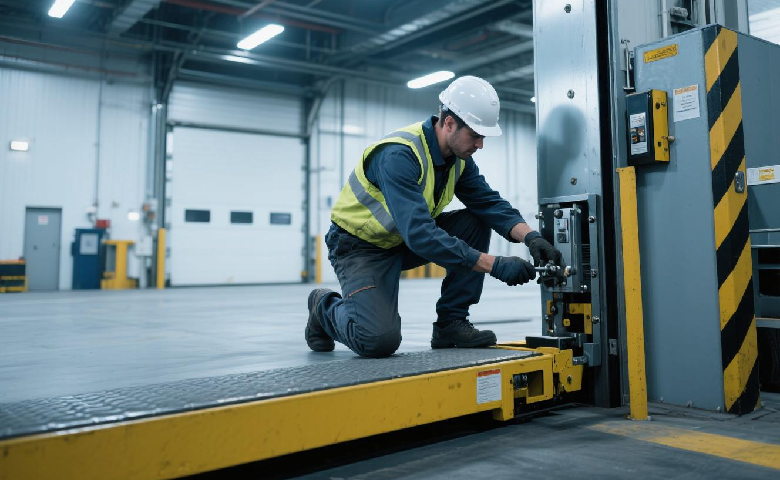
Lift Repairs & Fault Investigation
Lift faults rarely happen at a convenient time. Whether the issue is an intermittent fault, door problem, levelling issue or complete breakdown, identifying the underlying cause is the first step towards a reliable repair.
We attend office buildings, business parks, industrial premises, retail developments, apartment buildings and public sector properties across Wigan to diagnose faults, carry out repairs and help return lifts to normal operation as quickly as possible.
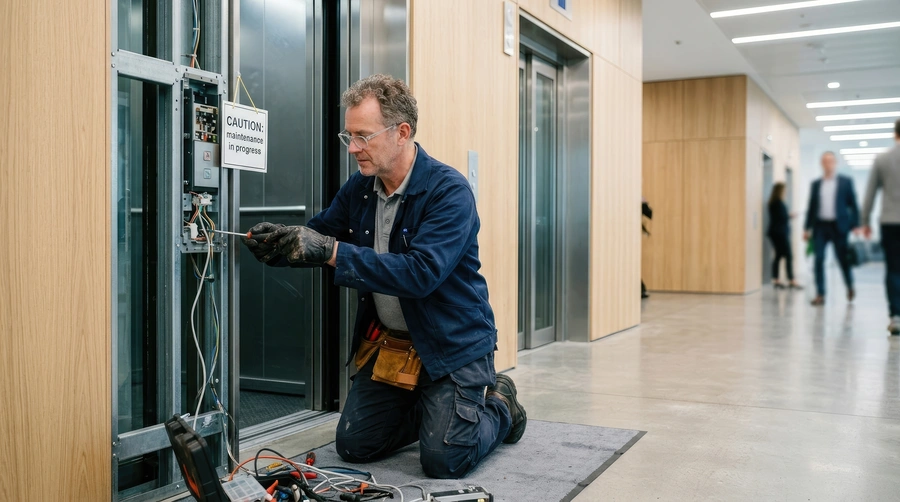
Maintaining Lifts in Commercial Buildings & Business Parks
Many of Wigan’s lifts operate within busy commercial buildings where they are used throughout the working day by employees, visitors, contractors and customers. Reliable lift performance is essential to the day-to-day operation of these premises.
Routine servicing, statutory examinations and planned repairs all help identify developing faults before they become larger problems, reducing disruption while helping lifts remain safe and dependable.
LOLER Inspections and Statutory Examination
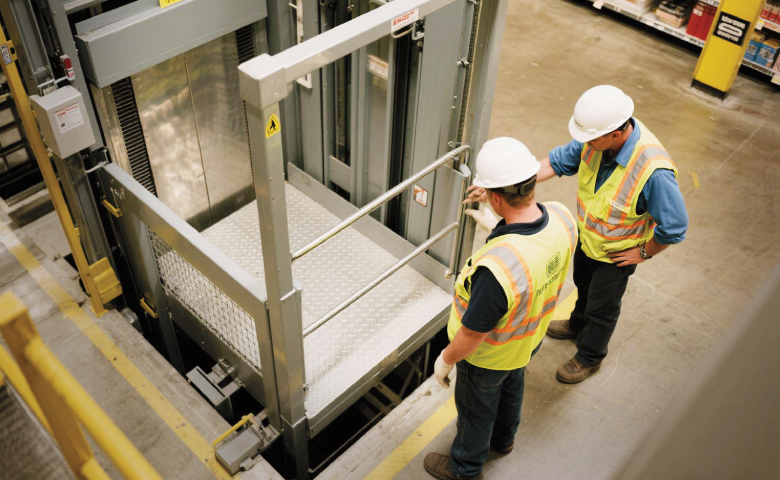
LOLER examinations are a legal requirement for most lifting equipment and are separate from routine maintenance activities. The purpose of the examination is to assess the condition of safety-critical components and identify defects that could affect the continued safe operation of the lift.
Passenger lifts are typically subject to thorough examination every six months, whilst many goods lifts require examination every twelve months. Examination reports provide a record of the condition of the equipment and identify any defects requiring attention, helping duty holders demonstrate compliance and maintain safe operation.
Managing Ageing Lift Equipment
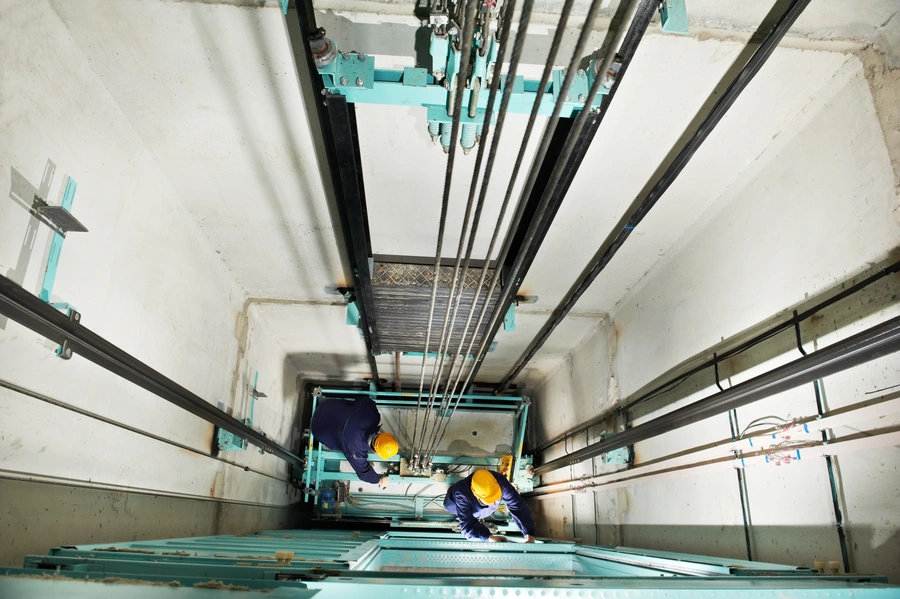
Many lift installations currently operating throughout Wigan have been in service for decades. Whilst regular maintenance can significantly extend equipment lifespan, ageing systems can present additional challenges including increased breakdown frequency, obsolete components and reduced manufacturer support.
In these circumstances, repairs alone may not always provide the most effective long-term solution. Component upgrades, controller replacements, door equipment modernisation and phased refurbishment works can often improve reliability whilst avoiding the disruption associated with full lift replacement.
Assessing the condition of the equipment and understanding its operational demands is often the first step in determining the most appropriate maintenance, repair or upgrade strategy.
Maintaining Lift Systems Across Wigan
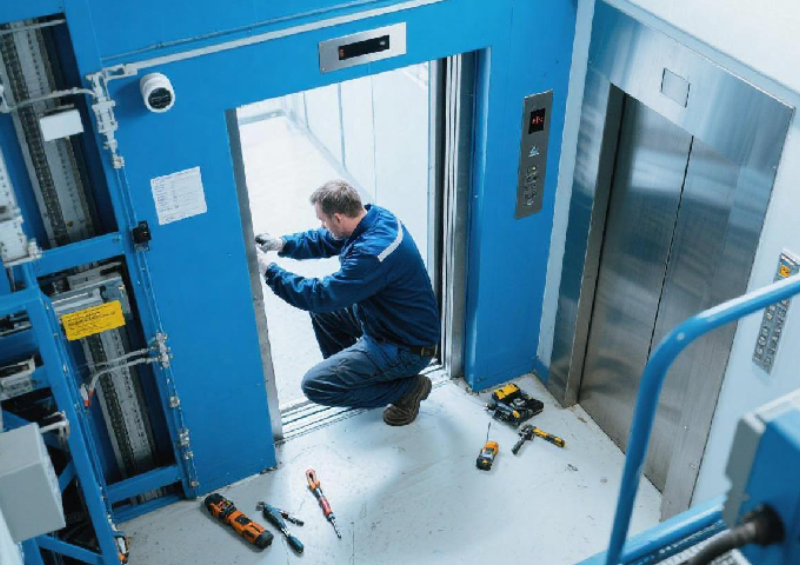
Every building places different demands on its lift systems. Factors such as usage levels, the age of the equipment and the operating environment all influence the maintenance required to keep lifts performing reliably.
We help customers across Wigan plan maintenance around the needs of their buildings, allowing faults to be addressed early while helping reduce unnecessary downtime.
Areas Covered Around Wigan
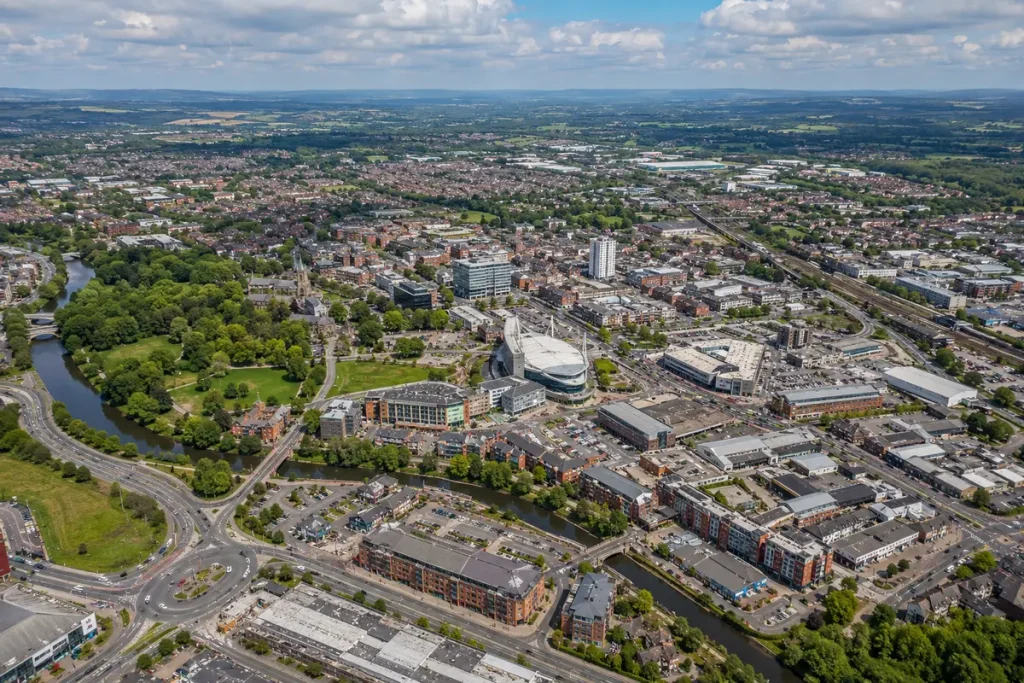
Support is provided throughout Wigan and neighbouring areas including Standish, Hindley, Ashton-in-Makerfield, Atherton, Ince-in-Makerfield, Orrell, Golborne, Leigh and surrounding parts of the Borough of Wigan.
Maintenance, inspections and repair works can be coordinated across office buildings, business parks, industrial premises, apartment developments and public buildings throughout the area.
Our engineers also provide lift maintenance, repairs and LOLER inspections across Blackburn, Darwen, Accrington, Burnley, Preston, Chorley, Leyland, Bolton, Bury, Clitheroe, Rawtenstall, Nelson, Colne and Blackpool, supporting commercial and public sector buildings throughout Lancashire and Greater Manchester.
View all areas covered by our lift services.
Frequently Asked questions
How often should a lift be serviced in Wigan?
There is no single servicing interval that applies to every lift. The correct maintenance schedule depends on the type of lift, how often it is used, its age and the environment it operates in. Following the manufacturer’s recommendations alongside regular inspections helps keep lifts reliable and reduces the risk of unexpected breakdowns.
How frequently are LOLER inspections required?
What happens if a lift fails a LOLER inspection?
When should a lift be modernised rather than repaired?
Can older lift systems still be maintained?
Yes. Many older lifts can continue to operate safely with the correct maintenance programme. Even where original parts are no longer available, suitable alternatives or refurbishment options can often be identified to extend the life of the lift.
Where component obsolescence begins to affect reliability or maintenance costs, partial modernisation works may provide a more practical long-term solution than continued reactive repairs. Assessing the condition of the equipment and the availability of ongoing support is often the first step in determining the most effective course of action.