Loading Bay Lifts & Dock Levellers

Loading Bay Lifts and Dock Levellers

A loading bay that doesn’t match your vehicles slows everything down and puts staff at risk. The right equipment bridges the gap between the building and the lorry, or lifts goods to the right height where there’s no raised dock.

We supply, install and maintain dock levellers, scissor lift tables and loading bay lifts for warehouses, distribution centres, factories and retail sites.

Twin mezzanine goods lifts

Types of Loading Bay Equipment

  • Dock levellers sit in or on the edge of a raised dock and lower a lip onto the trailer bed, so pallet trucks can drive straight on.
  • Scissor lift tables lift goods, or a pallet truck and its load, between the ground and the vehicle where there’s no dock.
  • Goods lifts carry goods on from the loading area to other floors. See goods lifts.

Lift Features and Benefits

Choosing the Right Setup

It starts with your vehicles. HGV trailers and small vans have very different bed heights, and a leveller set up for one may struggle with the other. We’ll look at the vehicles you use, how many deliveries you take and what you’re moving.

Telescopic-lip levellers suit sites with mixed vehicles. Scissor lifts often work better where vans make up most of the traffic.

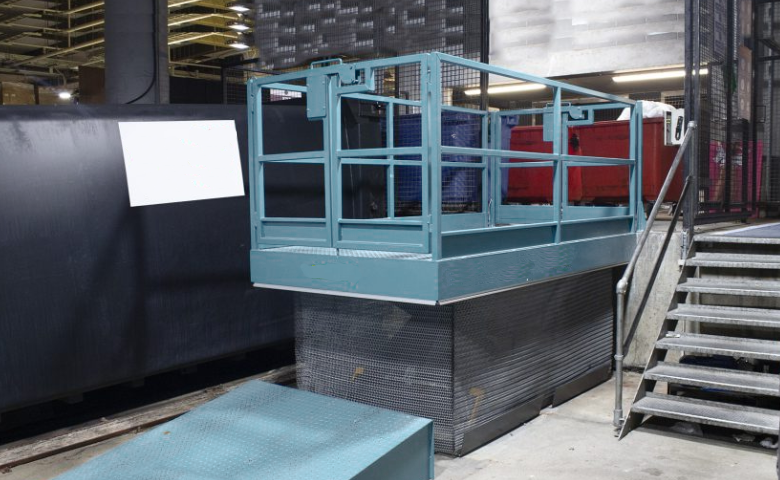
Medium capacity lifting table with ramp
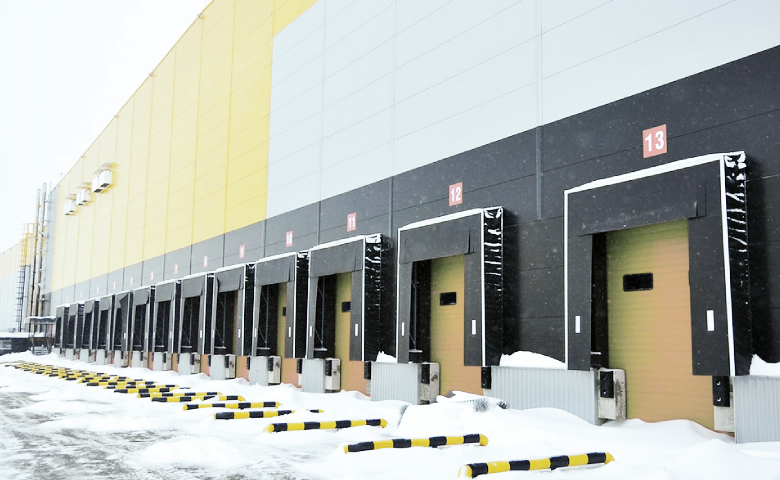
Loading bays with dock levellers

Built for Busy Yards

Loading bay equipment is outside in all weathers, and gets run over by loaded pallet trucks dozens of times a day. Levellers and lifts are built for that, with insulated and sealed options for cold stores and temperature-controlled sites.

Safety at the Loading Bay

The most serious loading bay accidents happen when a vehicle moves off while it’s still being loaded. Vehicle restraints, traffic lights and interlocks between the dock door and leveller all help stop that. We’ll advise on the right combination for your site.

Scissor lifts that lift goods fall under LOLER, and all loading bay equipment needs maintaining under PUWER.

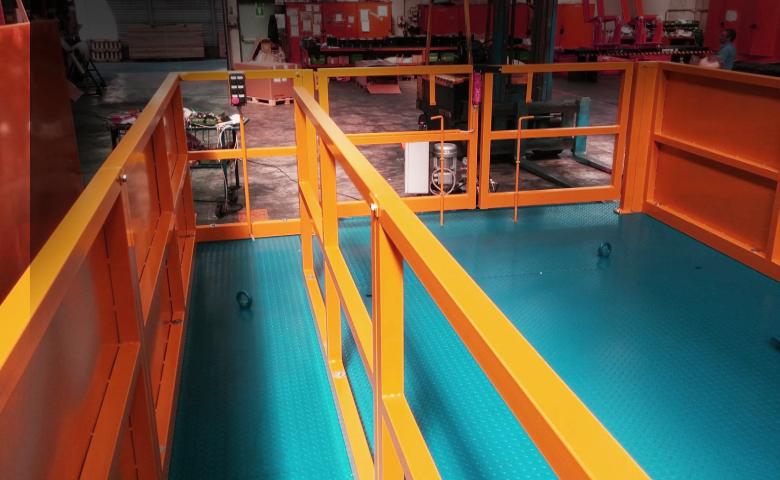
Large goods lifting table

Frequently Asked Questions

What’s the difference between a dock leveller and a dock plate?
A dock plate is a loose steel plate laid across the gap by hand. A dock leveller is fixed and powered, and adjusts to the trailer height automatically or at the press of a button. It’s safer and faster on busy sites.
Within limits. A telescopic-lip leveller copes with a wider range of bed heights, but very low vans may still need a scissor lift or a separate loading point.
Yes. Pit-type levellers need a pit cutting into the dock, while edge-of-dock levellers bolt to the dock face with very little building work.
It depends on use, but most sites need servicing at least once or twice a year. Busy distribution centres need it more often.
Only if it’s designed and rated to carry people. Goods-only lift tables mustn’t be used to lift staff.

Book Your Free Lift Consultation

Discuss your requirements and explore the most suitable lift options for your property.

We provide clear advice, tailored solutions, and a straightforward installation process from start to finish.