
Lift Testing and Commissioning Services

Professional Lift Testing and Commissioning

At TJ Lift Solutions, we provide expert lift testing and commissioning services for new installations, modernisations, and major refurbishments. Whether you’re completing a new-build project or upgrading an existing system, it’s essential that every lift is thoroughly tested, adjusted, and certified before being placed into service.

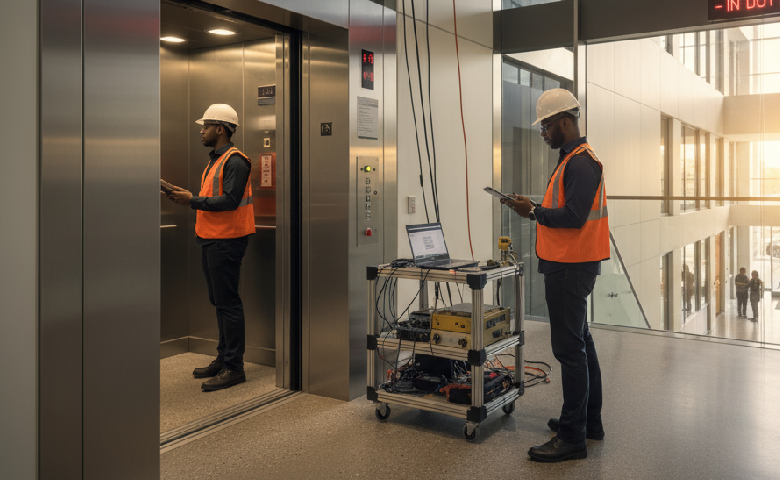
Our experienced engineers ensure your lift meets all relevant British and European standards, including BS EN 81-20/50, and is safe, efficient, and fully compliant with legal requirements. We deliver a structured and documented commissioning process that covers everything from safety systems to final ride quality and user functionality.

What is Lift Commissioning?

Lift commissioning is the final and critical stage of the installation or modernisation process. It involves detailed checks and testing of every aspect of the lift system to confirm that it functions safely and correctly, as designed. The commissioning process covers the integration of mechanical, electrical, and control systems, ensuring the lift operates in line with regulatory and performance standards.

Commissioning must be completed before the lift can be legally handed over and placed into public or private use. It includes adjustments, functional tests, safety system validation, and documentation to confirm the lift is ready for operational use.

Our Lift Testing and Commissioning Process

We follow a structured and comprehensive testing regime which includes:

  • Visual inspection of all mechanical, electrical, and structural elements
  • Functional testing of door systems, brakes, interlocks, and emergency devices
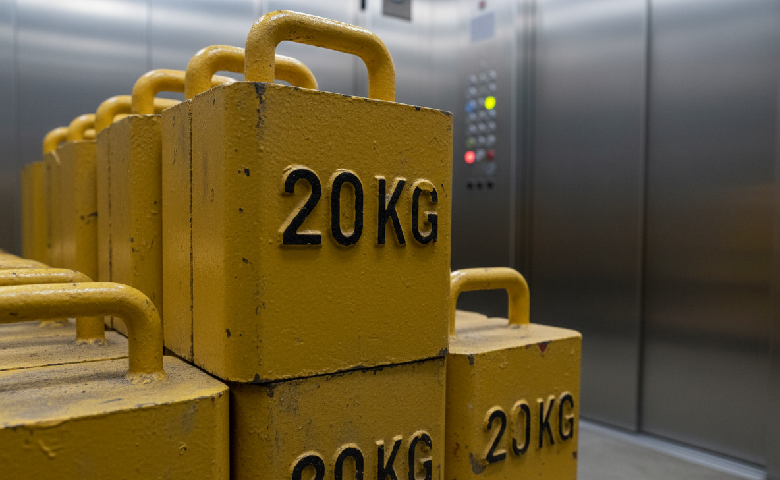
  • Load testing to assess performance under rated conditions
  • Speed and levelling checks to ensure ride quality and precision
  • Alarm system, lighting, and communication system tests
  • Control system calibration and diagnostic reviews
  • Final adjustments to floor levels, acceleration/deceleration, and call response
  • Verification against design specifications and standards

Our engineers also liaise with consultants, project managers, or main contractors to ensure coordination with the wider build schedule and documentation requirements.

Compliance with Lift Standards and Regulations

All lift testing and commissioning work is carried out in full compliance with:

  • BS EN 81-20 and EN 81-50 (Safety rules for the construction and installation of lifts)
  • The Lifts Regulations 2016 (UK implementation of the EU Lifts Directive)
  • Health and Safety at Work Act
  • Building Regulations Part M (Accessibility)
  • LOLER for subsequent periodic inspections

We ensure each installation is not only technically sound but also compliant with building control, accessibility legislation, and fire safety standards where applicable

Final Certification and Handover

Upon successful completion of all testing and adjustments, we provide:

  • Commissioning certificate confirming the lift has passed all necessary checks
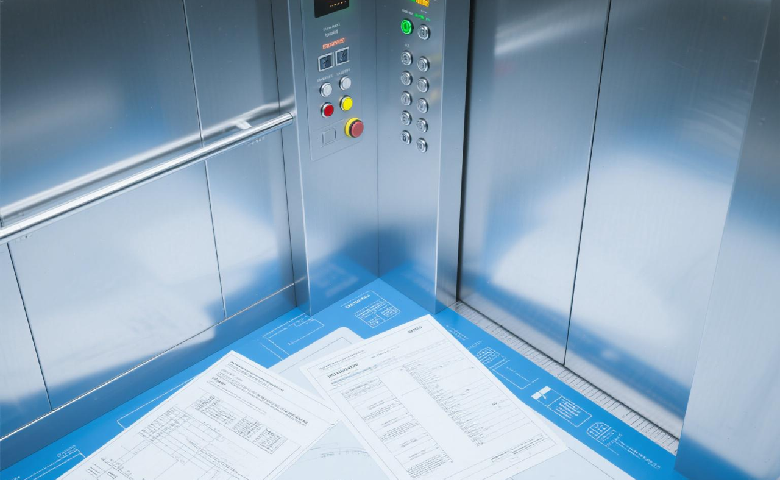
  • Technical file and documentation, including wiring diagrams and inspection reports
  • Operation and Maintenance manuals (O&M) (where applicable)
  • User training, if required, for facilities managers or building users
  • Handover report with snag-free confirmation (where applicable)

This ensures a smooth transition from installation to day-to-day operation and lays the groundwork for ongoing maintenance and LOLER inspections.

Testing Services for All Lift Types

We carry out testing and commissioning for a wide range of lift types:

  • Passenger lifts (traction and hydraulic)
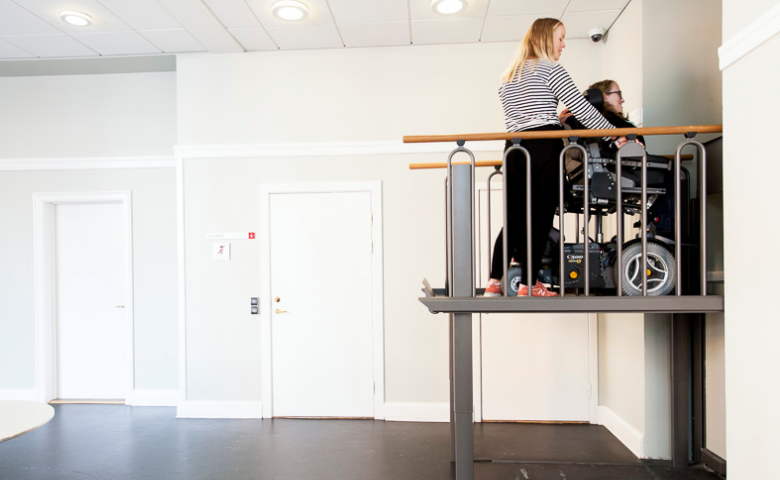
  • Platform and access lifts
  • Goods lifts and service lifts
  • Machine-room-less (MRL) lifts
  • Home lifts and wheelchair lifts
  • Scenic and glass lifts
  • Fire-fighting and evacuation lifts

Whether it’s a single residential lift or a multi-lift commercial installation, we ensure every unit is tested to the highest standards of safety and performance.

Frequently Asked questions

What is the purpose of lift testing and commissioning?

The purpose is to ensure the lift is installed correctly, functions safely, and meets all legal and performance standards before being handed over for use.

Yes. Under the Lifts Regulations 2016, all new lifts must be tested and certified before being placed into service.

Typically, the lift installation contractor is responsible for commissioning. However, a building owner or project manager must ensure this process is completed before handover.

The duration depends on the complexity and type of lift, but most standard lifts can be commissioned in 1–3 days following installation.

It includes system testing, safety checks, final adjustments, load testing, calibration, documentation, and certification.

Yes. Load testing is typically carried out to confirm the lift can handle its rated capacity and maintain safety during full operation.

Absolutely. We issue a commissioning certificate, technical file, test records, and O&M manuals upon completion.

Yes. We can act as independent specialists to carry out third-party commissioning if required by developers, landlords, or consultants.

Yes. If requested, we can provide basic training for building managers or end users on lift operation, safety features, and emergency procedures.

We follow BS EN 81-20 and EN 81-50, which cover lift safety, testing, and documentation, as well as applicable UK Building Regulations.

Talk to our Lift Specialists Today

Get in touch today for a no-obligation consultation or to arrange a site visit. We’re ready to support your lift project—on time, within budget, and to the highest standard.