
Lift Maintenance and Repairs Across Colne and Pendle
We look after passenger lifts, platform lifts, stairlifts and dumbwaiters across Colne and the rest of Pendle. Our engineers work out of Darwen, a short run along the M65, so Colne is part of our regular service round rather than a long trip out.
As an independent lift company we aren’t tied to one manufacturer. We maintain lifts from all the major makes, along with plenty of older lifts whose original installer has long since disappeared.
Lifts We Look After in Colne
Most of the lifts we see in Colne fall into a few groups:
- Platform lifts and step lifts in schools, churches and community buildings, often added years after the building went up
- Passenger lifts in care homes and sheltered housing, where a breakdown can leave residents stuck on one floor
- Lifts in converted mill buildings and town-centre properties, where the shaft has been squeezed into an old structure and access for parts can be tight
- Goods lifts and dumbwaiters in shops, pubs and restaurants
Servicing and Maintenance Contracts
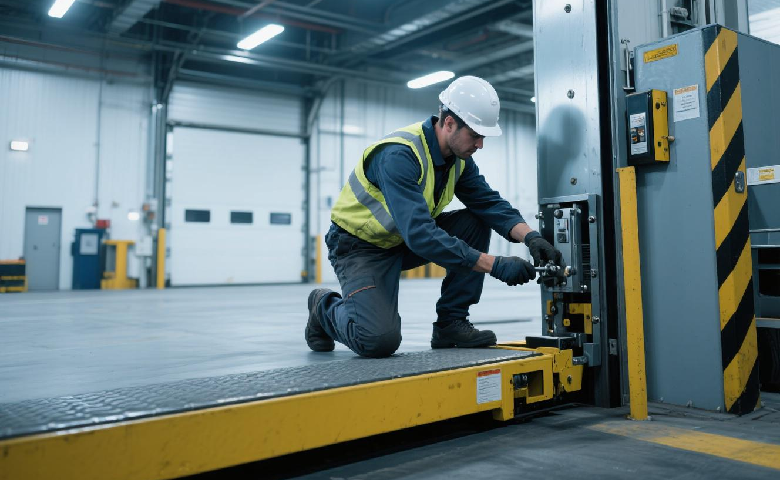
How often a lift needs a service visit depends on what it is and how hard it works. A busy passenger lift in a care home might need a visit every month or two. A platform lift in a school that’s used a few times a day is often fine with two visits a year. We set the frequency from the manufacturer’s maintenance instructions and the lift’s actual usage, and we put it in writing so you know what you’re paying for.
On each visit we check and adjust the door equipment, safety circuits, brakes, ropes or hydraulics, levelling and the emergency alarm, and we log everything on a service record you can show your insurer.
Breakdowns and Repairs
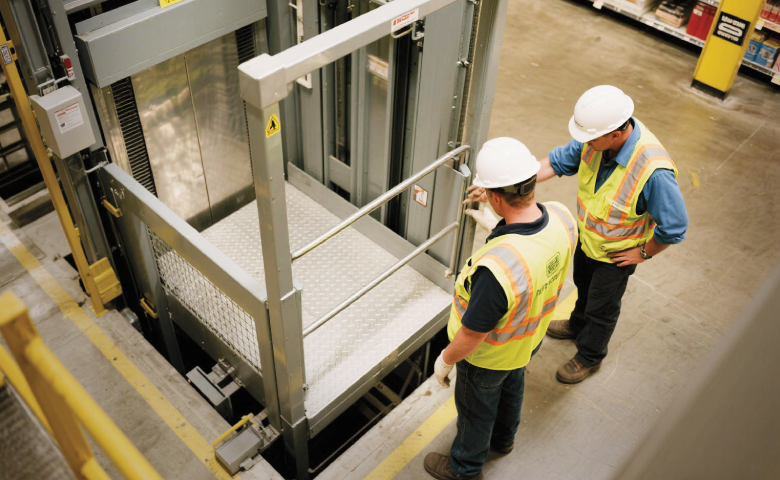
Door faults cause more call-outs than anything else: worn door rollers, misaligned locks and dirty or damaged safety edges. After that we see a lot of levelling problems, controller faults and, on hydraulic lifts, oil leaks and valve trouble.
When you call us with a breakdown we’ll give you a realistic arrival time, not a vague promise. If a part has to be ordered, we’ll tell you how long it will take and whether the lift can run safely in the meantime.
LOLER Thorough Examinations
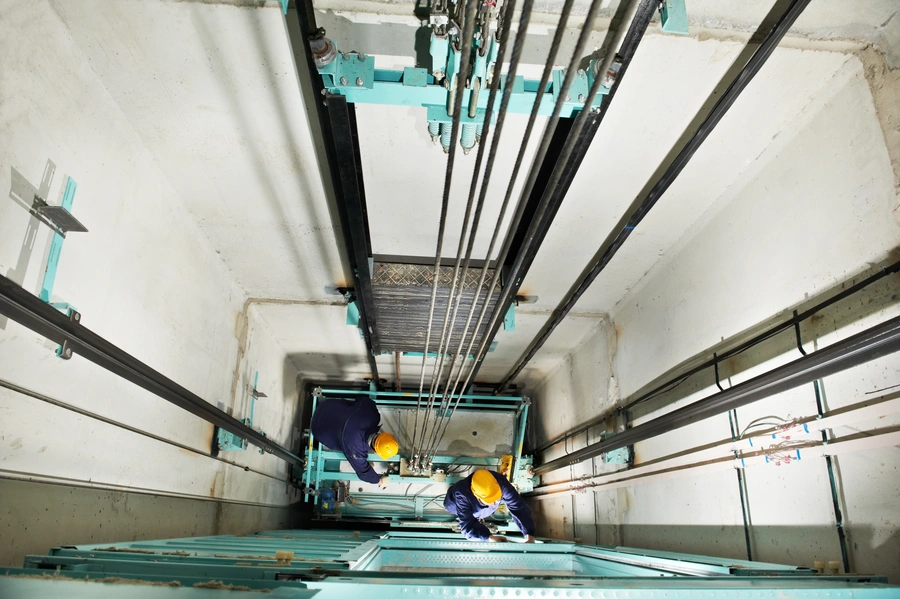
Under the Lifting Operations and Lifting Equipment Regulations 1998 (LOLER), a lift that carries people must have a thorough examination by a competent person at least every six months. Lifts that only carry goods need one at least every 12 months, unless a written scheme of examination says otherwise.
The examination is separate from servicing and is usually carried out by an engineer surveyor from your insurer. We work alongside them: we can be on site for the examination, and when the report comes back with defects we price and carry out the remedial work so the lift stays compliant.
The Digital Switchover and Lift Alarm Lines
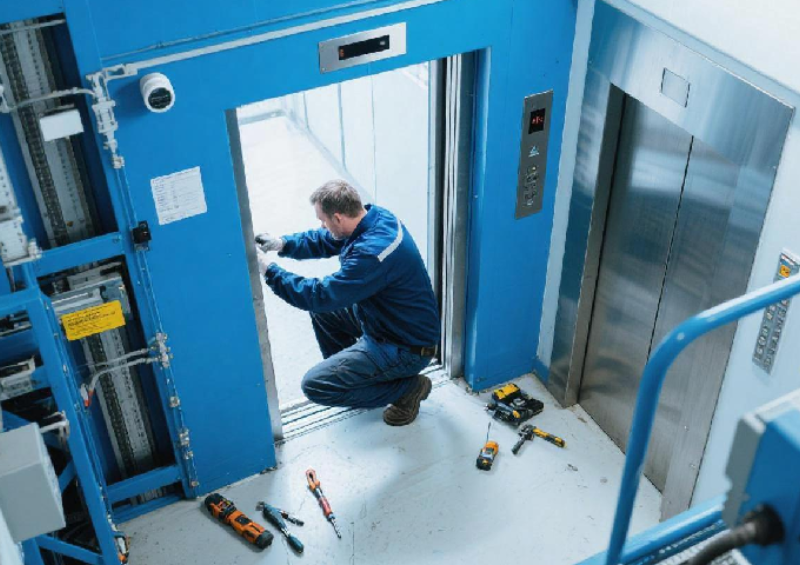
Most lift emergency phones were connected to an old analogue (PSTN) phone line. Openreach is switching those lines off, with the national deadline currently set for January 2027. If your lift’s alarm still relies on one, it may stop working without warning. We can check what your lift is connected to and fit a digital or GSM unit where needed. More in our guide to the lift digital switchover.
Older Lifts: Repair, Upgrade or Replace?
Plenty of lifts in Colne are 20 or 30 years old. Age alone isn’t a reason to replace a lift, but obsolete controllers and door gear make repairs slower and more expensive each year.
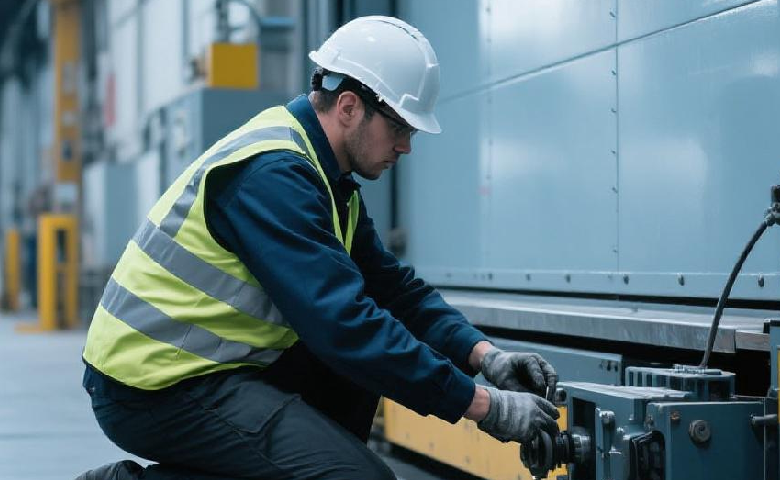
We’ll assess the lift against current safety guidance (BS EN 81-80) and give you honest options: keep repairing, upgrade the parts that are causing trouble, or replace it. Replacing just the controller and door equipment can add years to a lift’s working life for a fraction of the cost of a new one.
Recent Work in Colne and Areas We Cover
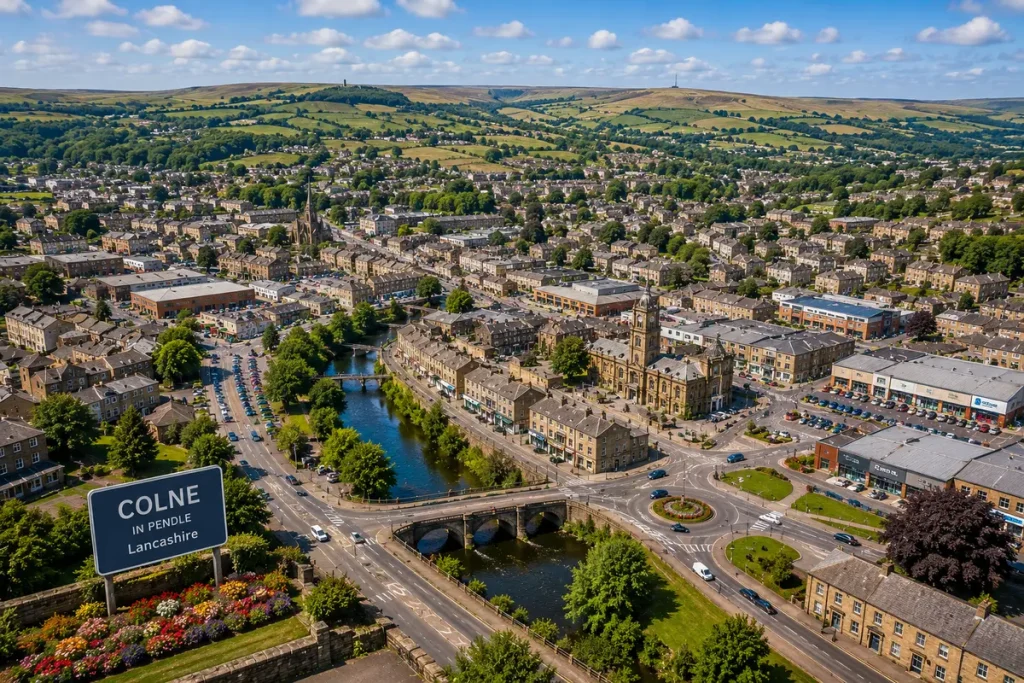
At John Fisher & Thomas More RC High School in Colne, the school’s ageing platform lift had become unreliable and was limiting step-free access around the site. We replaced it with a new Easylift platform lift. Read the full case study.
We work across Colne and nearby villages including Trawden, Foulridge, Laneshaw Bridge, Barrowford, Earby and Kelbrook, as well as Nelson, Burnley and the rest of East Lancashire. See all the areas we cover.
Need a lift engineer in Colne? Call us on 01254 775187 or send us a message.
Frequently Asked questions
What does a lift maintenance contract usually cover?
Most contracts cover routine service visits, breakdown call-outs during working hours and minor parts. Larger components such as motors, ropes and controllers, damage from misuse and the cost of the LOLER examination are usually extra, so check the exclusions before you sign.
What is a written scheme of examination?
Under LOLER, a competent person can set examination intervals based on a risk assessment of your particular lift, instead of the standard six or 12 months. The scheme has to be drawn up by the competent person and reviewed if the lift’s use or condition changes.
What's the difference between a traction lift and a hydraulic lift?
A traction lift is moved by ropes or belts over a motor-driven sheave, with a counterweight balancing the car. A hydraulic lift is pushed up by a ram using pressurised oil and lowers under its own weight. Hydraulics are common in low-rise buildings; traction lifts suit taller ones.
How long does a lift last?
With proper maintenance, the main mechanical parts of a lift typically last 20 to 25 years. Controllers and door equipment often become obsolete sooner, which is why many lifts are partly modernised well before the whole lift needs replacing.
What paperwork should I get with a new lift?
You should receive a declaration of conformity, the UKCA or CE marking details, the operating and maintenance manual, test certificates and any thorough examination report needed before first use. Keep them with the lift’s records.
How often is a lift's emergency alarm tested?
Alarm systems built to BS EN 81-28 test their own connection to the monitoring centre automatically, at least every three days. The alarm button and two-way speech should also be checked at every service visit.
Can a lift be fitted in a building with no lift shaft?
Yes. Many platform lifts and some passenger lifts come with their own self-supporting enclosure, so they don’t need a traditional built shaft. They still need a suitable floor, a power supply and, for most models, a shallow pit or none at all.