
Lift Engineers for Rawtenstall and the Rossendale Valley
From health centres and council buildings to converted mills and working factories, Rossendale has a wide mix of lifts. We maintain and repair lifts across Rawtenstall and the rest of the valley, and we’re only a short drive away in Darwen.
We work on every major make, so you don’t need a different contractor for each lift.
Lifts in Public and Healthcare Buildings
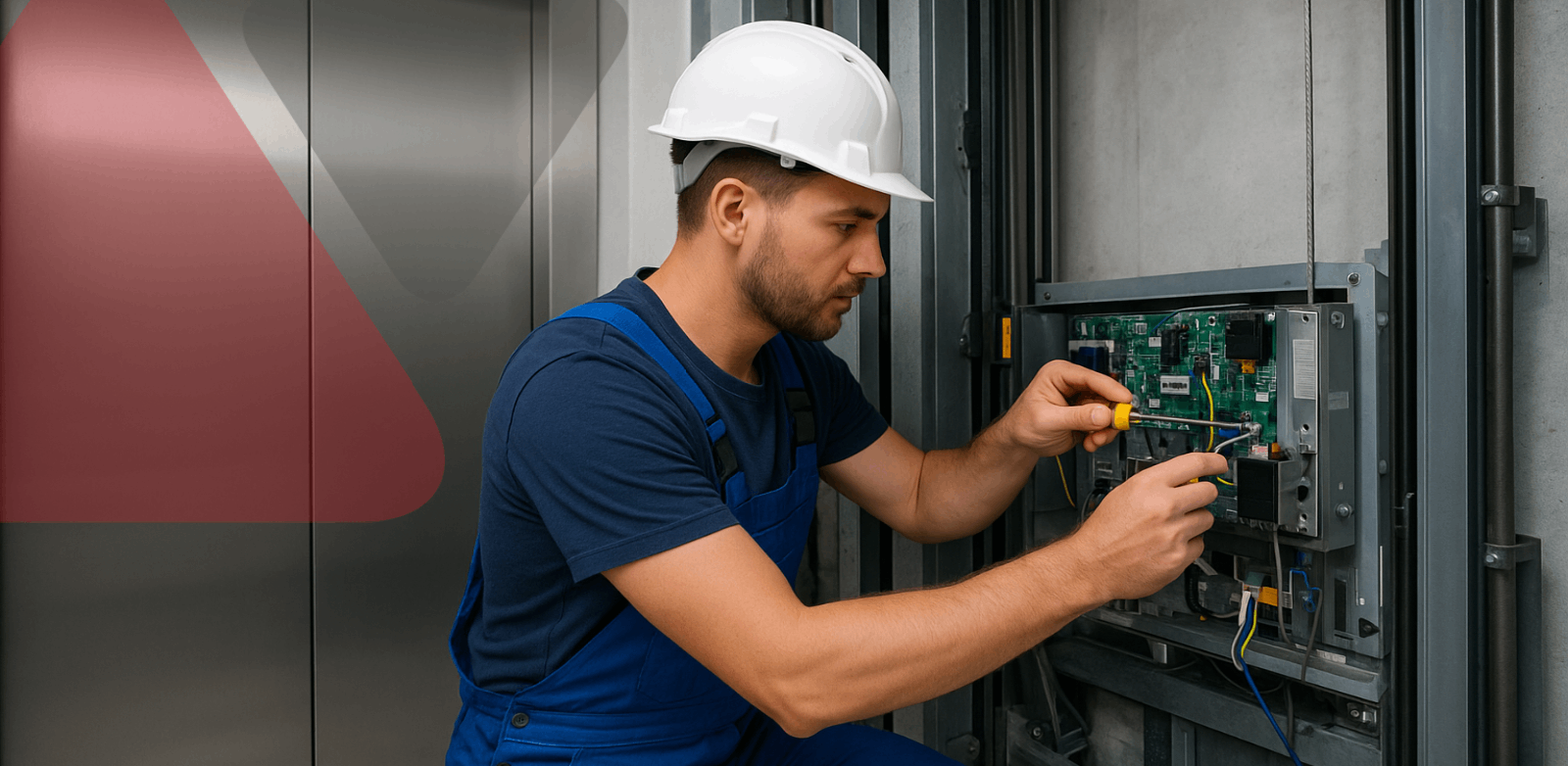
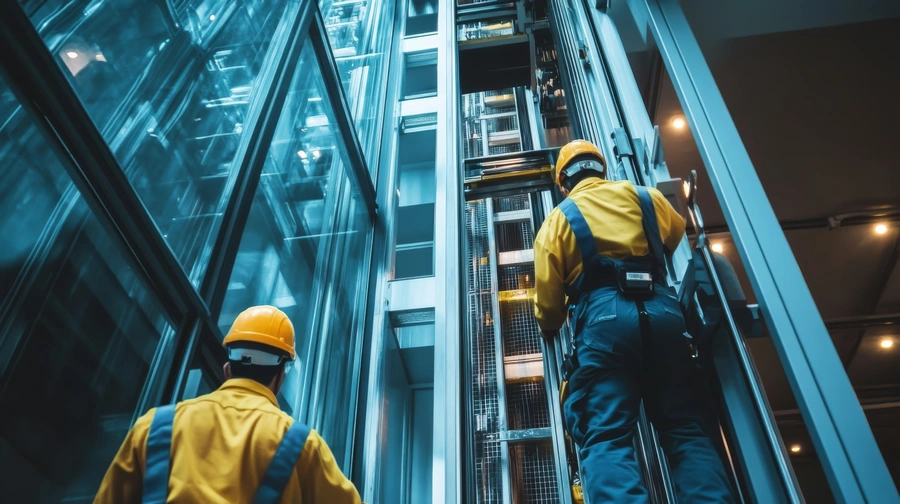
Health centres, GP surgeries, council offices and schools often have a single lift that patients, staff or pupils rely on. These buildings usually need more than a good engineer: they need risk assessments, method statements, insurance certificates and clear records. We provide all of that as standard, and we plan visits around clinic times and opening hours.
Mill Conversions and Older Buildings
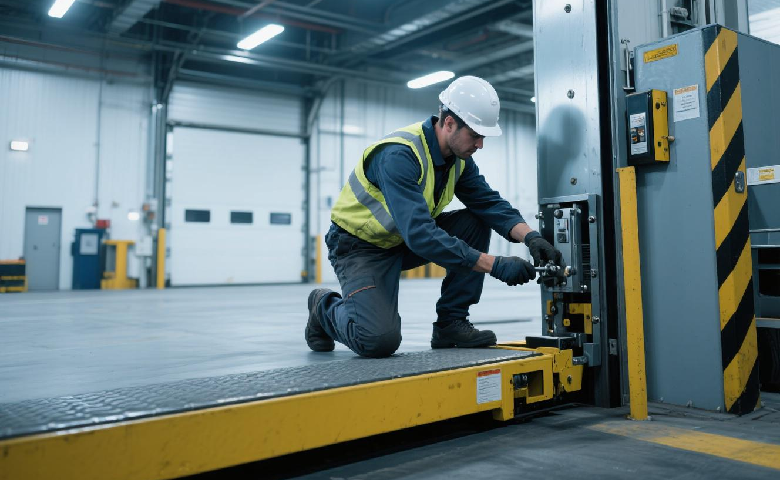
Rawtenstall has plenty of mill buildings turned into flats, offices and workshops. The lifts in them were often squeezed into the existing structure, with tight shafts and machine rooms in awkward places. Getting parts in and out takes planning. We’ve worked in enough of these buildings to know what to expect before we arrive.
Hydraulic Lifts in Cold Weather
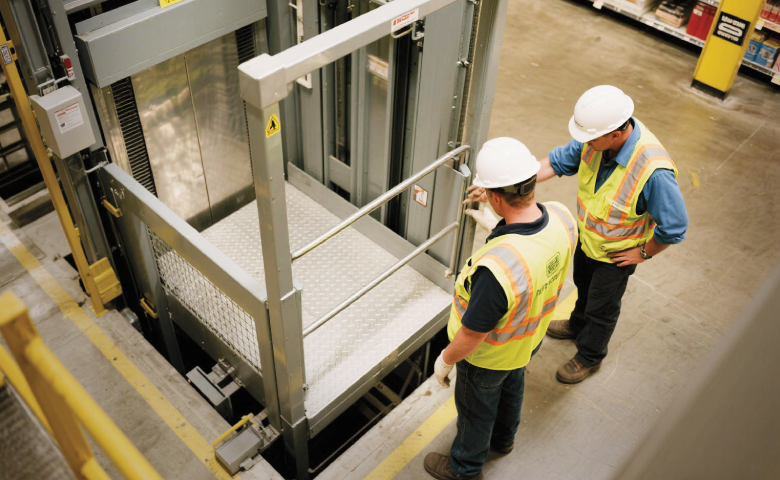
Many lifts in the valley are hydraulic. In a cold machine room the oil thickens, and you’ll notice the lift running slowly or stopping short of the floor on winter mornings. It’s a common call-out that’s often fixed by adjusting the valve or fitting an oil heater, rather than replacing major parts.
Servicing and LOLER Examinations
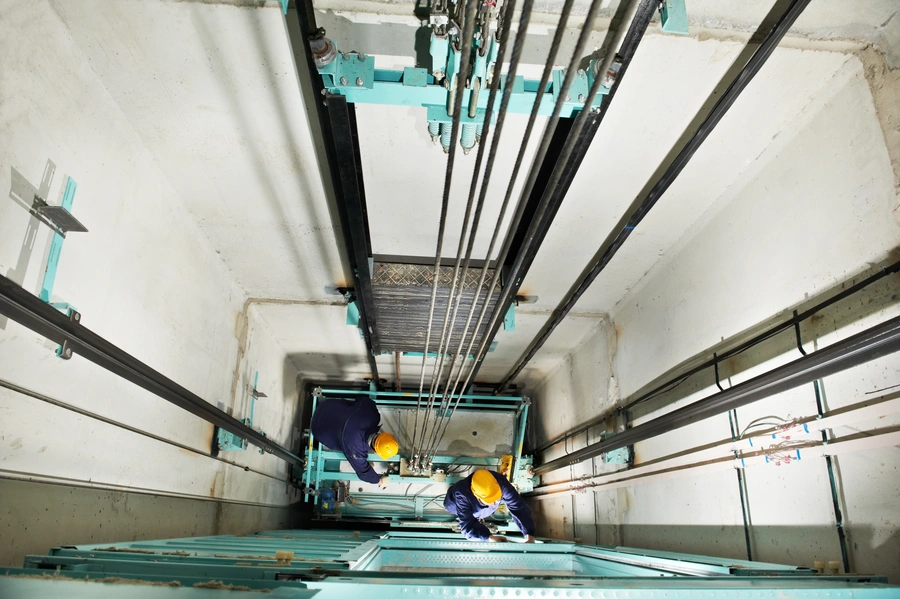
We set the service frequency from the manufacturer’s maintenance instructions and how much the lift is used, so you’re not paying for visits you don’t need. Every visit covers the safety circuits, doors, brake or hydraulic system, levelling and alarm, and you get a written record each time.
Lifts that carry people need a LOLER thorough examination at least every six months, and goods-only lifts every 12 months. The examination is usually done by your insurer’s engineer surveyor. When the report lists defects, we price and complete the work within the timescale given so the lift stays in use.
Industrial Lifts and Goods Lifts
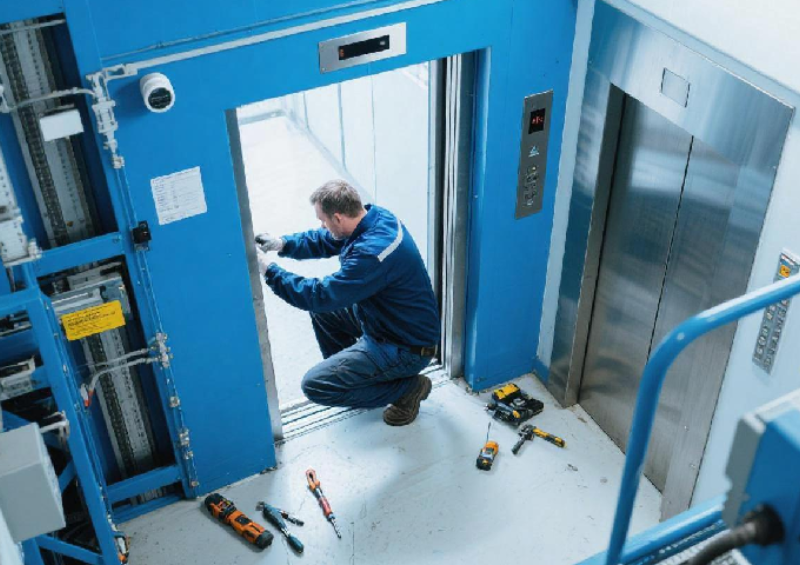
Factories and warehouses depend on their goods lifts running all day. Downtime holds up production, so we focus on preventing faults: checking rope and guide wear, gate and door interlocks, and the hoisting gear on every visit. Just down the valley at Stubbins, we’ve looked after the lifts at Essity’s paper mill for years.
Repair or Modernise?
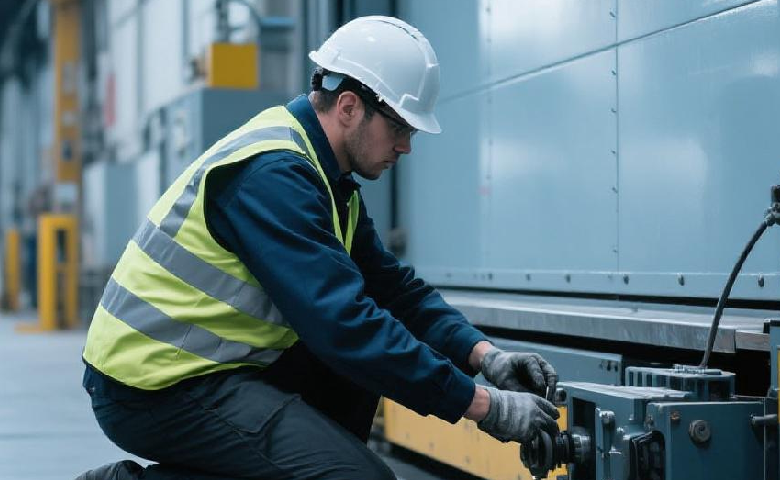
If your lift is breaking down more often and parts are getting harder to find, replacing the whole thing isn’t the only answer. Upgrading the controller, doors or hydraulic power unit can make an older lift reliable again for a fraction of the cost. We’ll give you honest options and prices for each.
Lift Services Across Rossendale
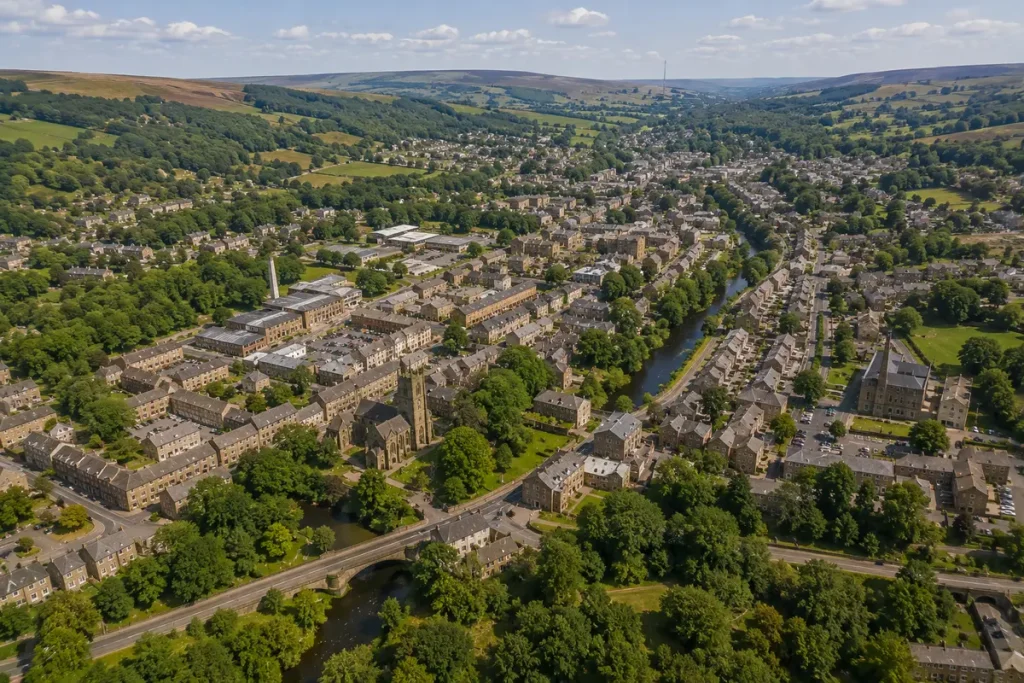
We cover Rawtenstall along with Haslingden, Bacup, Whitworth, Helmshore, Crawshawbooth, Edenfield and Waterfoot. Read how we keep industry moving at Essity’s Stubbins Paper Mill. See all the areas we cover.
Need a lift engineer in Rawtenstall? Call 01254 775187 or send us a message.
Frequently Asked questions
Why does our hydraulic lift sink overnight?
A small amount of oil leaking past the valve or the ram seal lets the car drift down slowly when it’s parked. Most hydraulic lifts re-level automatically, but if it’s getting worse, the valve or seals usually need attention.
What happens to a lift when the fire alarm goes off?
Many lifts are linked to the fire alarm so they return to a designated floor, open their doors and stay out of normal use. BS EN 81-73 sets out how lifts should behave in a fire. We can check the link is working during servicing.
What are SAFed guidelines?
The Safety Assessment Federation publishes guidance that examiners and lift companies use for thorough examinations and testing, including LG1 for lifts. They help keep examinations and test methods consistent.
What supplementary tests might an examiner ask for?
Examiners sometimes ask for extra tests to confirm safety components work, such as safety gear, overspeed governor, brake or buffer tests. These are usually carried out by the lift contractor with the examiner present or reporting afterwards.
How long does a lift modernisation take?
A partial upgrade, like new doors or a new controller, typically takes from a few days to a couple of weeks. A full modernisation can take several weeks, depending on the lift and how many floors it serves.
Do I need Building Regulations approval to install a lift?
Usually, yes. A new lift affects access, structure and fire safety, which are covered by the Building Regulations, so the work normally needs approval from building control.
What is a lift autodialler?
An autodialler is the unit in the lift car that connects the alarm button to a 24-hour monitoring centre, so a trapped passenger can speak to someone. It needs a working phone line or mobile signal to connect.