
Supporting Lift Equipment Across Bolton
Passenger lifts, goods lifts, platform lifts and accessibility equipment support the day-to-day operation of commercial properties, managed buildings, public sector premises and residential developments throughout Bolton. Ongoing maintenance, statutory examination and responsive repair work are essential to ensure equipment remains safe, compliant and available for use.
Many lift installations within Bolton operate within multi-occupancy buildings, managed developments and commercial properties where equipment reliability is important for tenants, visitors, staff and building users.
Lift Maintenance & Compliance Requirements
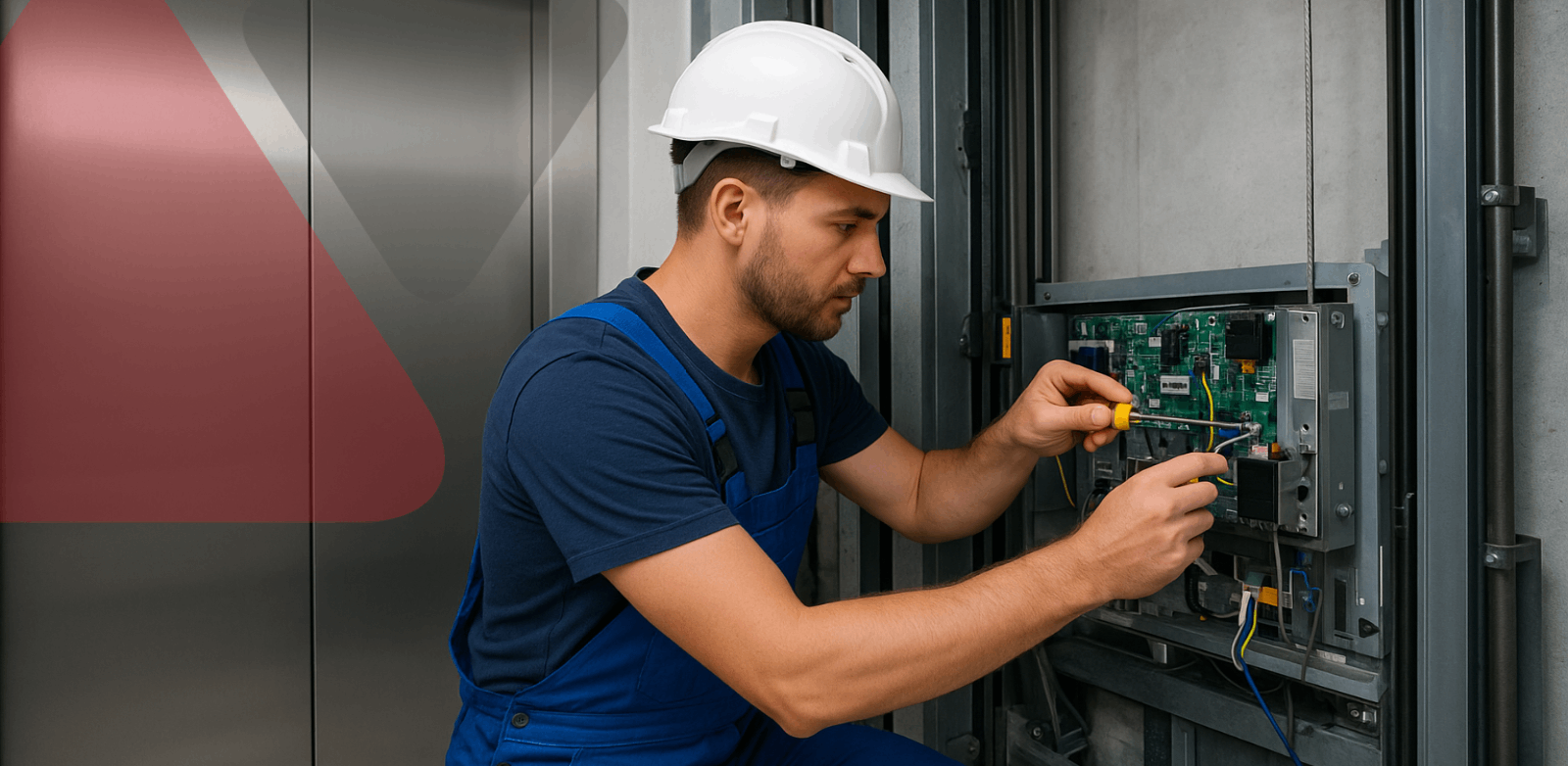
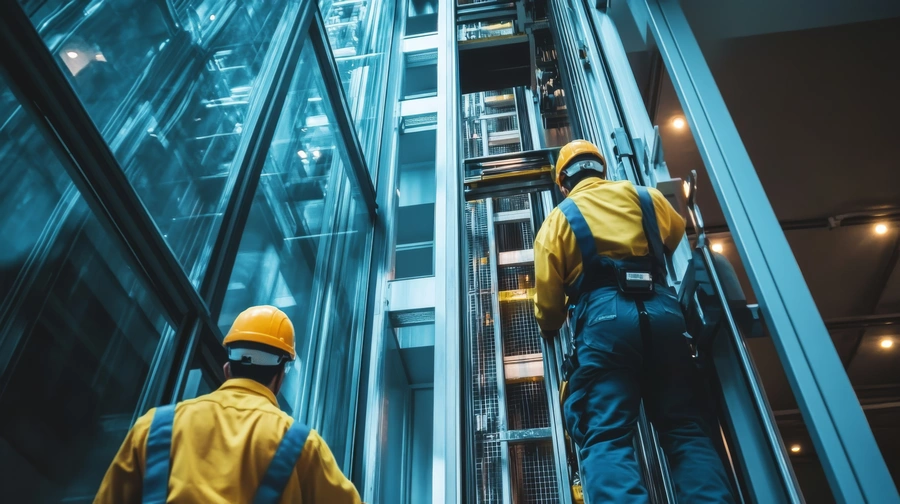
The ongoing management of lift equipment extends beyond routine servicing alone. Lift owners and duty holders are responsible for ensuring equipment is maintained in a safe condition, inspected at the required intervals and repaired when defects are identified.
Planned maintenance programmes allow the condition of the equipment to be monitored over time, helping to identify wear, deterioration and developing faults before they affect reliability. Regular servicing also supports compliance by ensuring safety systems, controls and associated components continue to operate as intended.
LOLER examinations form a separate part of this process and are required to assess the safety of lifting equipment at prescribed intervals. Any defects identified during examination may require remedial works, further investigation or supplementary testing before the lift can remain in service.
Lift Repairs and Fault Investigation
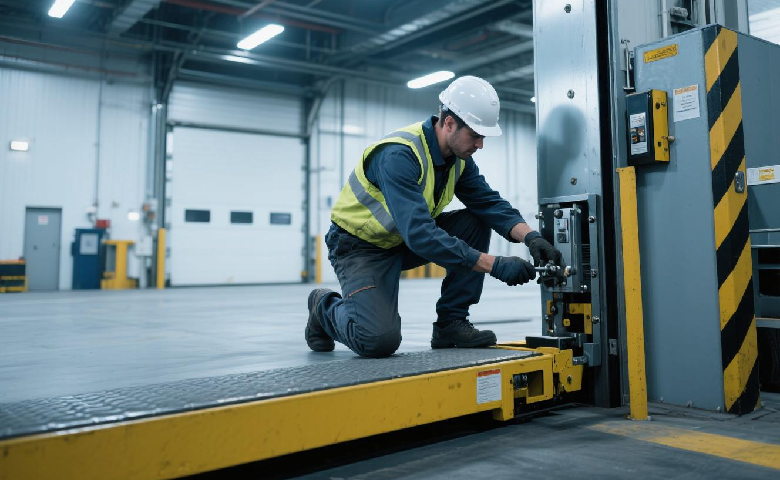
Lift faults can develop gradually through wear and deterioration or occur unexpectedly following component failure. Door operation issues, levelling faults, controller errors, communication system failures and worn mechanical components can all affect the safe and reliable operation of the equipment.
Commercial and multi-occupancy buildings often depend on lift equipment to support daily access throughout the property. When faults occur, equipment downtime can affect tenants, visitors and building operations, making prompt fault diagnosis and effective repair planning important considerations for property managers and duty holders.
Accurate fault diagnosis is often essential when investigating recurring breakdowns or intermittent issues. Understanding the root cause of a fault allows repairs to be planned more effectively and can help prevent unnecessary component replacement.
Depending on the age and condition of the equipment, remedial works may range from straightforward repairs through to larger upgrade programmes where key components have become obsolete or increasingly unreliable.
LOLER Inspections and Statutory Examination
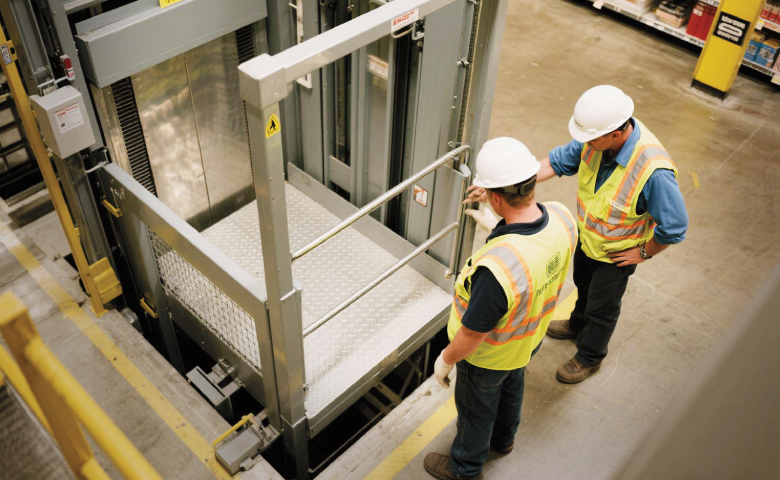
LOLER examinations are a legal requirement for most lifting equipment and are separate from routine maintenance activities. The purpose of the examination is to assess the condition of safety-critical components and identify defects that could affect the continued safe operation of the lift.
Passenger lifts are typically subject to thorough examination every six months, whilst many goods lifts require examination every twelve months. Examination reports provide a record of the condition of the equipment and identify any defects requiring attention, helping duty holders demonstrate compliance and maintain safe operation.
Managing Ageing Lift Equipment
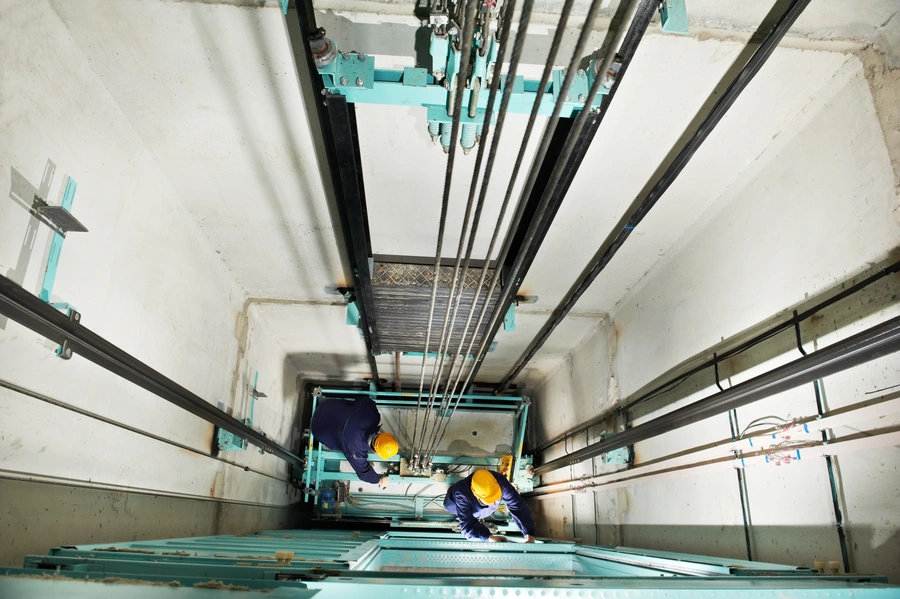
Many lift installations currently operating throughout Bolton have been in service for decades. Whilst regular maintenance can significantly extend equipment lifespan, ageing systems can present additional challenges including increased breakdown frequency, obsolete components and reduced manufacturer support.
In these circumstances, repairs alone may not always provide the most effective long-term solution. Component upgrades, controller replacements, door equipment modernisation and phased refurbishment works can often improve reliability whilst avoiding the disruption associated with full lift replacement.
Assessing the condition of the equipment and understanding its operational demands is often the first step in determining the most appropriate maintenance, repair or upgrade strategy.
Lift Equipment Within Commercial Property Portfolios
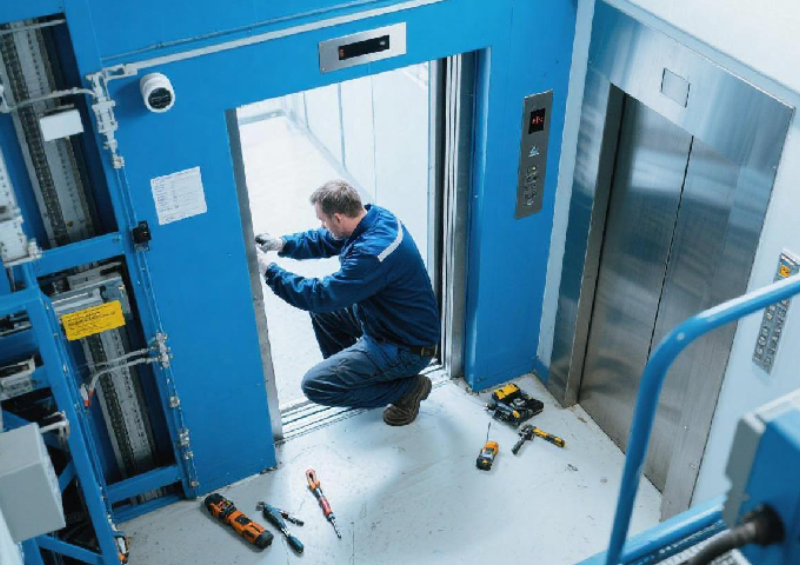
Many lifts operating throughout Bolton form part of larger commercial property portfolios, managed developments and multi-occupancy buildings. Passenger lifts, accessibility equipment and service lifts often support daily access for employees, visitors, residents and contractors across a range of environments.
Within these properties, maintenance planning, statutory examination and ongoing asset management play an important role in maintaining compliance and equipment reliability. A proactive approach to lift management can help identify developing issues before they affect building operations or occupant access.
Managing Lift Assets Across Bolton
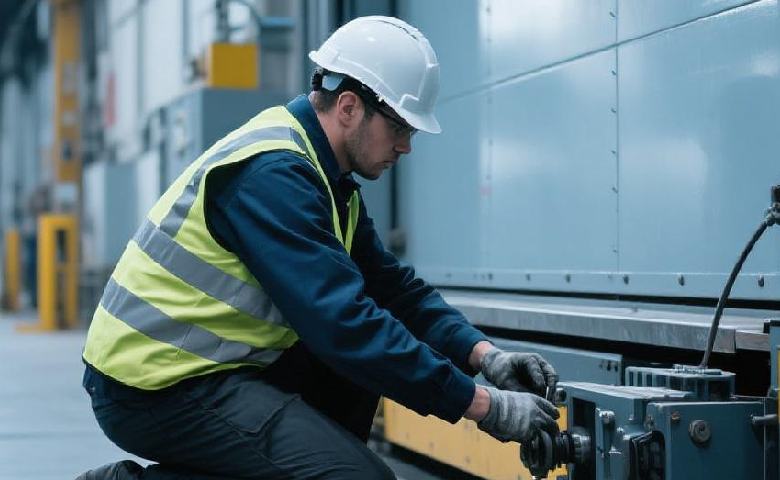
Passenger lifts, goods lifts, platform lifts and accessibility equipment operate throughout Bolton and the wider Greater Manchester area within commercial premises, managed properties, public sector buildings and residential developments. Maintenance requirements will often vary depending on building occupancy, usage levels and the operational importance of the equipment.
Regular servicing, statutory examination and planned asset management can help improve equipment reliability whilst providing greater visibility of future maintenance and refurbishment requirements.

Areas Covered Around Bolton
Support is provided throughout Bolton and neighbouring areas including Farnworth, Horwich, Westhoughton, Little Lever, Bromley Cross, Lostock, Heaton and surrounding parts of Greater Manchester.
Maintenance, inspections and repair works can be coordinated across commercial properties, managed developments and public sector buildings throughout the region.
View all areas covered by our lift services.
Frequently Asked questions
How often should a lift be serviced in Bolton?
How frequently are LOLER inspections required?
What happens if a lift fails a LOLER examination?
How can lift maintenance be managed across multiple buildings?
Where responsibility extends across several properties, maintenance programmes can often be coordinated to provide consistent servicing, inspection scheduling and reporting. This can help property managers and facilities teams monitor equipment condition, manage compliance obligations and plan maintenance activities more effectively across an entire portfolio.
When should a lift be modernised rather than repaired?
Modernisation is often considered when equipment experiences recurring faults, key components become obsolete or maintenance costs begin to increase significantly. Whilst repairs may remain appropriate for isolated issues, ageing systems can reach a point where upgrading controllers, door equipment, safety systems or other major components provides a more reliable and cost-effective long-term solution.
Can older lift systems still be maintained if parts are obsolete?
In many cases, yes. Whilst some manufacturers may no longer produce original components for older lift installations, alternative parts, refurbished components or suitable upgrade solutions can often be identified. The most appropriate approach will depend on the age of the equipment, the availability of replacement parts and the operational requirements of the building.
Where component obsolescence begins to affect reliability or maintenance costs, partial modernisation works may provide a more practical long-term solution than continued reactive repairs. Assessing the condition of the equipment and the availability of ongoing support is often the first step in determining the most effective course of action.
Can lift maintenance contracts be transferred from another provider?
Existing maintenance contracts can often be transferred following a review of the equipment, maintenance history and available documentation. Understanding the condition of the installation and any outstanding defects helps ensure a smooth transition whilst maintaining continuity of servicing and compliance requirements.
Do you support multi-site property portfolios?
Maintenance, inspections and repairs can be coordinated across multiple sites where organisations are responsible for more than one property. Consistent maintenance planning and reporting can help provide greater visibility of equipment condition and compliance obligations across an entire property portfolio.