
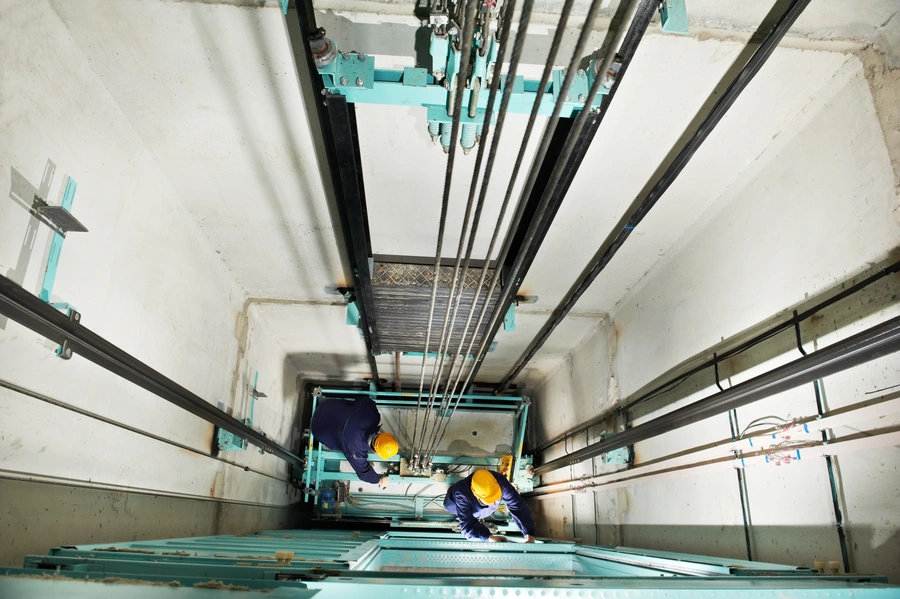
When a lift starts to become unreliable, outdated or expensive to maintain, building owners often face an important decision: should the existing lift be modernised, or is it time for a full replacement?
Both options can improve safety, performance and user experience, but they are not the same. The right route depends on the age of the lift, the condition of its components, how often it breaks down and what the building needs long term.
What is lift modernisation?
Lift modernisation involves upgrading key components of an existing lift rather than removing and replacing the entire system. It is often used when the lift structure is still sound, but certain components are outdated, inefficient, or becoming harder to maintain.
Modernisation may include improvements to the lift controls, door systems, motor, drive equipment, safety features, communication systems, lighting, buttons, displays, or the lift car interior. The aim is to improve reliability, compliance, and comfort while retaining as much of the existing installation as practical.
What does lift replacement involve?
Lift replacement is a more extensive project. It usually involves removing the existing lift equipment and installing a new system designed to meet current building requirements, safety standards and usage levels.
This can include a new lift car, doors, controls, drive system, shaft equipment and operating technology. Replacement normally causes more disruption than modernisation, but it can provide a longer-term solution when the existing lift has reached the end of its practical life.
The main differences between lift modernisation and replacement
Although both options can improve a lift, they suit different situations. Modernisation typically focuses on targeted upgrades, whereas replacement provides the building with a completely new system.
Modernisation is often more cost-effective upfront and may be easier to phase around building use. Replacement usually requires a larger investment and longer downtime, but it can reduce future repair costs and improve long-term performance.
A modernised lift may gain another 10 to 15 years of useful service, depending on its condition and the scope of work. A new lift can offer a full lifecycle reset, often making it the better option when the existing equipment is heavily worn, obsolete or no longer suitable.
When lift modernisation may be the right choice
Modernisation can be a sensible option when the lift is still fundamentally sound but showing signs of age. It allows building owners to address problem areas without committing to a full replacement.
It may be the right route if breakdowns are increasing but not severe, parts are still available, the lift shaft and core equipment remain in good condition, or the main goal is to improve safety, reliability and compliance with minimal disruption.
This approach can work well for commercial buildings, residential blocks, care settings and public buildings where keeping downtime under control is important.
When lift replacement may be the better option
Replacement becomes more likely when the lift is old, unreliable, or no longer cost-effective to repair. If faults are frequent, parts are obsolete, or the lift no longer meets the building’s needs, modernisation may only delay the bigger issue.
A full replacement may also be the better choice where there are major compliance concerns, poor energy efficiency, repeated user complaints, or a need for improved accessibility and capacity.
For buildings with heavy lift usage, a new installation can provide greater long-term value by reducing the risk of breakdowns and improving day-to-day performance.
Cost and long-term value
Cost is often one of the biggest factors in the decision. Lift modernisation usually costs less to start with than replacement, but the lowest upfront cost is not always the best long-term option.
If older components remain in place, repair costs may continue. A replacement lift may cost more initially, but it can bring lower running costs, fewer breakdowns, improved energy efficiency and a better experience for users.
The most useful comparison is the total lifecycle cost, not just the project cost. This means looking at maintenance, energy use, downtime, repair frequency and how long the lift is expected to remain suitable for the building.
Impact on building users
A lift is often one of the most important parts of a building’s daily operation. When it becomes unreliable, it affects residents, staff, visitors, customers and anyone with mobility needs.
Modernisation can improve ride quality, reduce noise, update controls and make the lift feel safer and more dependable. Replacement can go further, offering smoother travel, improved accessibility, better energy performance and a more modern appearance.
In offices, healthcare settings, retail spaces, hospitality venues and residential buildings, this can make a noticeable difference to how people experience the property.
How to decide which option is right
The best decision starts with a thorough assessment of the existing lift. Age alone is not always sufficient to decide whether to modernise or replace, as some older lifts can still be upgraded effectively, while newer systems may have serious performance issues.
A lift survey should assess the condition of major components, breakdown history, compliance requirements, spare parts availability, usage levels, energy performance and the building owner’s long-term plans.
This provides a clearer view of whether modernisation will deliver sufficient value, or whether replacement is the more practical investment.
Making the right decision for your lift
Choosing between lift modernisation and replacement depends on the age, condition and performance of the existing system. Modernisation can be a cost-effective way to improve reliability, safety and compliance, while replacement may be the better long-term investment when faults are frequent, parts are obsolete, or the lift no longer suits the building.
A professional lift survey can help identify the most practical option, giving building owners a clearer view of costs, disruption and long-term value.